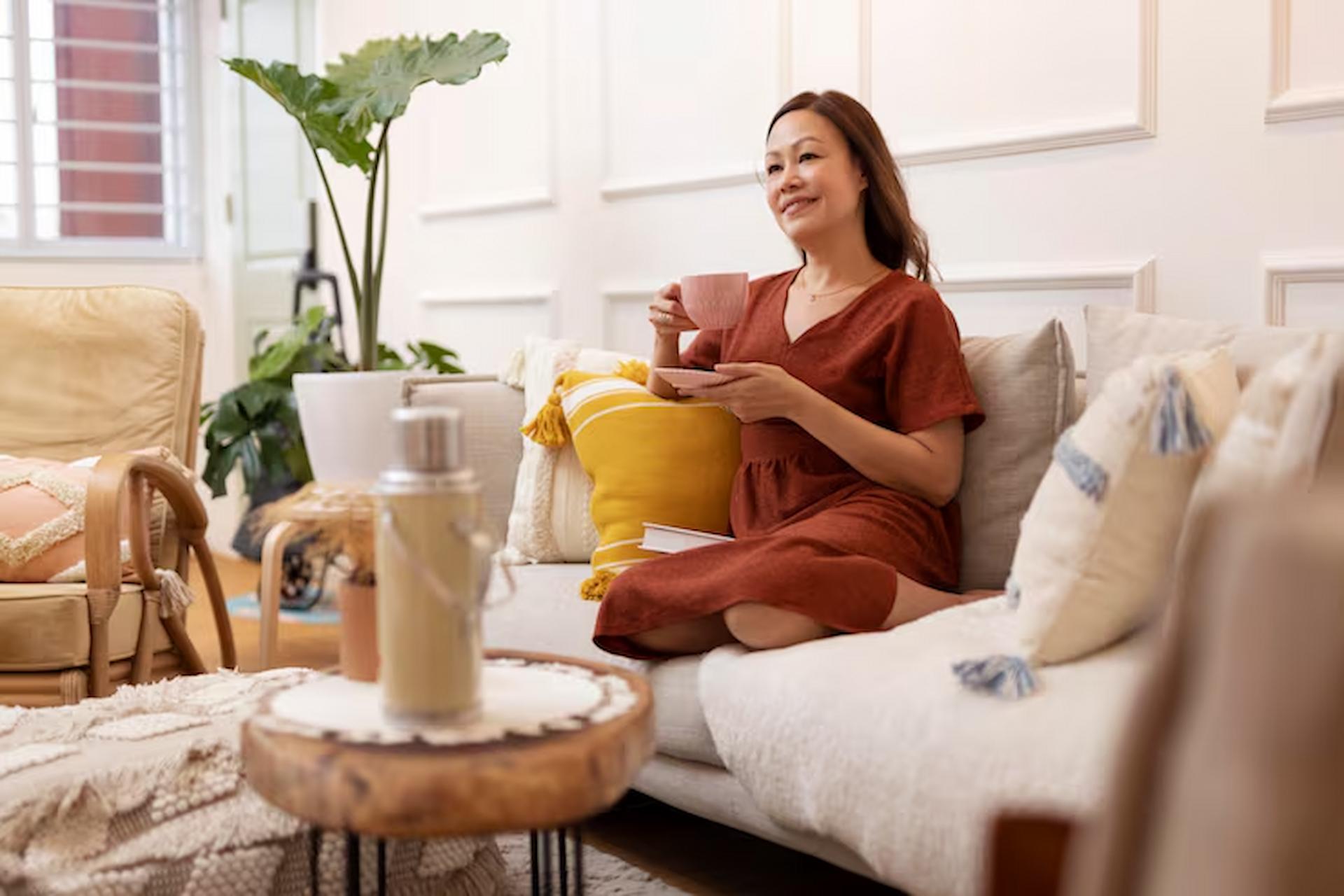
Life today often feels rushed, leaving little space to think, breathe, or simply be. Slow living offers a refreshing shift—helping you focus on what truly matters, reduce overwhelm, and create a calmer, more balanced way of living that feels both meaningful and sustainable.
Modern life moves quickly. Notifications, deadlines, and constant demands can make every day feel rushed. Over time, this pace can lead to stress, burnout, and a sense of disconnection from what truly matters. Slow living offers a different approach. It is not about doing everything slowly or rejecting ambition. Instead, it is about being intentional—choosing how you spend your time, energy, and attention. It invites you to focus on what adds value to your life and let go of what does not. This mindset is flexible, practical, and deeply personal. Anyone can adopt it, regardless of lifestyle or responsibilities.
What Slow Living Really Means
Slow living is often misunderstood as doing less or stepping away from productivity. In reality, it is about doing the right things with greater awareness.
At its core, slow living encourages you to:
- Make thoughtful choices instead of reacting automatically
- Focus on quality rather than quantity
- Create space for rest, reflection, and meaningful experiences
It is not about perfection. It is about alignment—living in a way that reflects your values and priorities.
Why Slow Living Matters Today
The constant pressure to stay busy can lead to mental fatigue and emotional strain. When everything feels urgent, it becomes difficult to focus, enjoy the present, or maintain balance.
Adopting a slower, more intentional approach helps you:
- Reduce stress and improve mental clarity
- Strengthen relationships through presence and attention
- Make better decisions without rushing
- Feel more satisfied with how you spend your time
In a fast-paced world, slowing down is not a weakness. It is a way to regain control.
Simple Ways to Start Living More Intentionally
You do not need a complete lifestyle overhaul. Small, consistent changes can create a meaningful shift.
1. Re-evaluate Your Priorities
Take time to reflect on what truly matters to you. This could include your health, relationships, personal growth, or creative pursuits. Once you are clear, align your daily actions with those priorities.
2. Reduce Unnecessary Commitments
Not everything deserves your time. Learn to say no to activities that do not add value or align with your goals. This creates space for what matters most.
3. Be Fully Present in Everyday Moments
Whether you are eating, working, or spending time with loved ones, give your full attention. Presence transforms ordinary moments into meaningful experiences.
4. Simplify Your Environment
A cluttered space often leads to a cluttered mind. Keep your surroundings clean, organized, and calm. This supports focus and reduces stress.
5. Create Slower Routines
Start or end your day without rushing. Simple habits like quiet mornings, mindful meals, or evening reflection can bring a sense of balance.
The Connection Between Slow Living and Well-Being
Slow living naturally supports both mental and physical well-being. When you are less rushed, your body and mind have time to recover and function more effectively.
You may notice:
- Improved focus and productivity
- Better sleep quality
- Lower stress levels
- Greater emotional stability
It also encourages healthier habits. When you are not constantly rushing, you are more likely to eat well, rest properly, and make thoughtful choices.
Slow Living and Sustainability
There is a strong link between slow living and sustainable choices. When you focus on quality over quantity, you naturally consume less and waste less.
This might include:
- Buying fewer but better-quality items
- Supporting local or ethical businesses
- Reducing impulsive purchases
- Being mindful of resources like food and energy
These small shifts not only benefit your lifestyle but also contribute to a more responsible way of living.
Finding Balance Without Pressure
One of the most important aspects of slow living is flexibility. It is not about following strict rules or achieving a perfect routine.
Some days will still be busy. Some periods of life will demand more energy and speed. That is normal.
The goal is not to eliminate busyness completely, but to balance it with moments of calm, clarity, and intention.
Building a Lifestyle That Lasts
Slow living is not a short-term trend. It is a long-term approach to living well.
To make it sustainable:
- Start small and build gradually
- Focus on consistency, not perfection
- Adjust your approach as your life changes
- Stay connected to your values
Over time, these habits become part of your natural rhythm. You begin to feel more in control, more present, and more fulfilled.
Frequently Asked Questions (FAQs)
What is slow living in simple terms?
Slow living means making intentional choices about how you spend your time and energy. It focuses on quality, presence, and balance rather than constant busyness or rushing through life.
Can busy people practice slow living?
Yes, slow living is flexible. Even with a busy schedule, you can apply it by prioritizing important tasks, reducing unnecessary commitments, and being more present in daily activities.
Does slow living reduce productivity?
No, it often improves productivity. By focusing on fewer, more meaningful tasks, you can work more efficiently and with greater clarity, avoiding burnout and distractions.
How do I start slow living today?
Start by simplifying one area of your life. This could be your schedule, environment, or daily routine. Focus on being present and making intentional choices throughout the day.
Is slow living the same as minimalism?
Not exactly. Minimalism focuses on reducing physical possessions, while slow living is a broader mindset that includes time, energy, relationships, and overall lifestyle choices.
Final Thoughts
Living slowly does not mean falling behind. It means moving through life with purpose and awareness. In a world that constantly pushes for more, faster, and louder, choosing a calmer path can be powerful.
By focusing on what truly matters, you create a life that feels balanced, meaningful, and deeply satisfying. And that is something that remains valuable, no matter how fast the world moves.