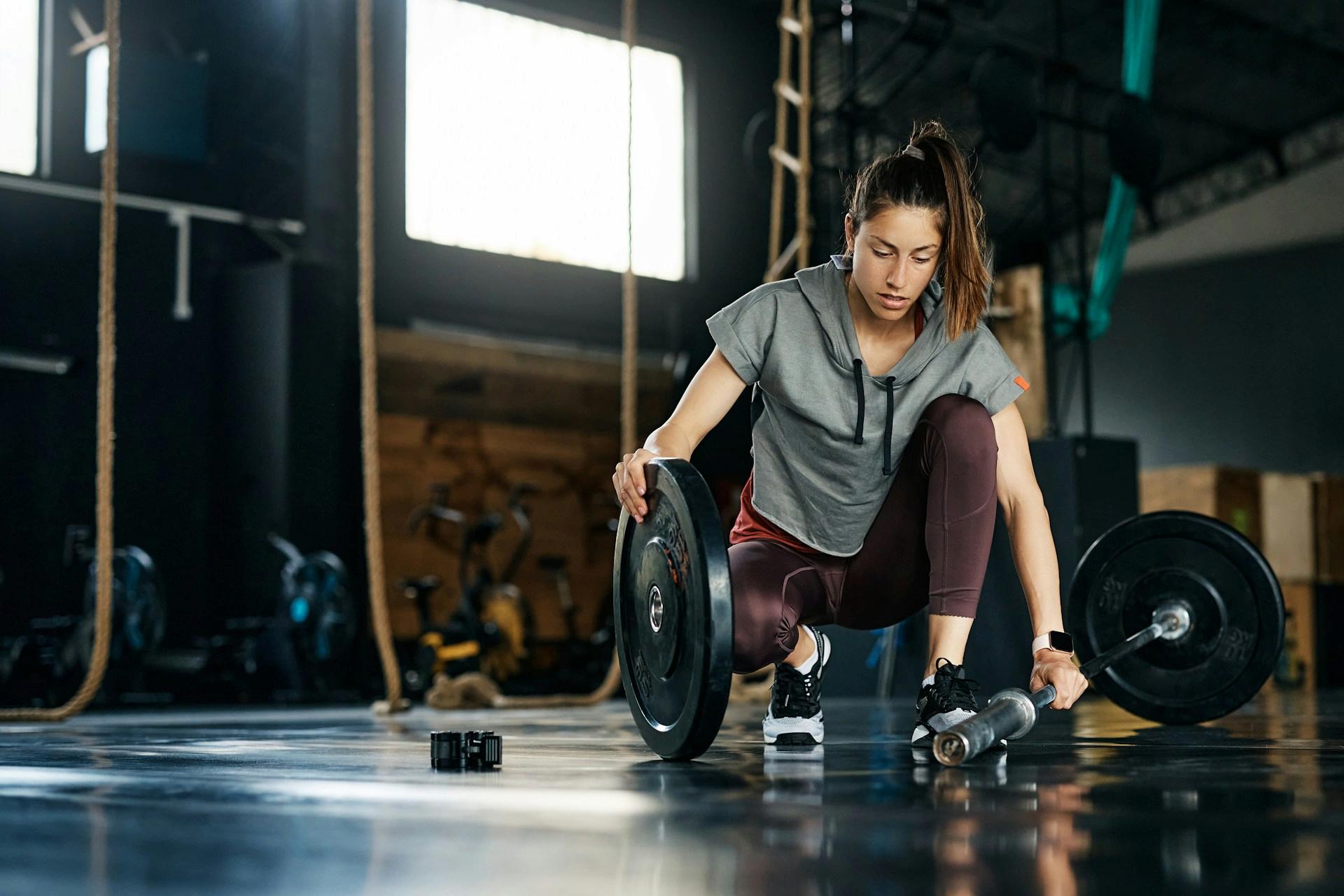
The right gear does more than complete your setup—it directly affects how you move, perform, and stay safe. Whether you are starting a fitness routine or refining your training, choosing suitable equipment can make your efforts more effective and sustainable.
Good gear supports your body, reduces strain, and helps you stay consistent. Poor choices, on the other hand, often lead to discomfort, frustration, or even injury. This guide breaks down what really matters so you can make confident, practical decisions without getting overwhelmed.
Why the Right Gear Matters
Fitness and sports equipment are not just about convenience. It plays a key role in:
- Performance: Proper gear allows better movement, control, and efficiency
- Injury prevention: Supportive equipment reduces strain on joints and muscles
- Comfort: When gear feels right, you stay focused and motivated
- Consistency: Reliable equipment removes friction from your routine
Even small upgrades—like better shoes or a well-fitted mat—can noticeably improve your experience.
Start With Your Activity
Not all gear is universal. The right choice depends on how you plan to move.
Strength Training
Focus on stability and support:
- Weightlifting gloves or straps for grip
- Flat, stable shoes for balance
- Adjustable dumbbells or resistance bands
Cardio Workouts
Prioritize comfort and impact protection:
- Cushioned running or training shoes
- Breathable clothing that manages sweat
- Lightweight accessories that don’t restrict movement
Outdoor Sports
Durability and weather resistance matter:
- Layered clothing for changing conditions
- Protective gear like helmets or guards
- Equipment suited to terrain (trail shoes, trekking poles, etc.)
Choosing gear based on your activity ensures it works with your body, not against it.
Focus on Fit and Comfort First
No matter how advanced or expensive the equipment is, if it does not fit well, it will not perform well.
Pay attention to:
- Sizing: Shoes, gloves, and apparel should feel secure but not tight
- Movement: Test the full range of motion before committing
- Pressure points: Avoid gear that rubs or creates discomfort
Comfort is not a luxury—it is essential for long-term consistency.
Look for Quality and Durability
Well-made equipment lasts longer and performs better over time. Instead of repeatedly replacing cheap gear, invest in pieces that hold up.
Check for:
- Strong stitching and solid construction
- High-quality materials that resist wear
- Reliable fastenings and grips
Durable gear often saves money in the long run and reduces interruptions in your routine.
Balance Budget With Value
You do not need the most expensive option to get good results. What matters is value.
A simple approach:
- Spend more on essentials you use daily (like shoes)
- Save on accessories that have minimal impact
- Upgrade gradually as your needs evolve
Smart spending helps you build a setup that grows with your fitness journey.
Prioritize Safety Features
Safety should always guide your choices, especially for high-impact or technical activities.
Look for:
- Shock absorption in footwear
- Proper padding in protective gear
- Stable bases for equipment like benches or racks
Ignoring safety features can lead to avoidable injuries that slow your progress.
Keep It Practical and Versatile
If you are building a home setup or starting fresh, choose equipment that serves multiple purposes.
Examples include:
- Resistance bands for strength, mobility, and rehab
- Adjustable weights instead of fixed sets
- A quality mat for stretching, yoga, and core work
Versatile gear gives you more flexibility without cluttering your space.
Maintenance Matters More Than You Think
Even the best equipment needs care to perform well.
Simple habits:
- Clean gear regularly to prevent wear and odor
- Store equipment properly to avoid damage
- Check for signs of wear and replace when needed
Maintained gear not only lasts longer but also stays safe to use.
When to Upgrade Your Gear
As your fitness level improves, your needs change. It may be time to upgrade when:
- Your current gear limits your performance
- You notice discomfort or reduced support
- You are training more frequently or intensely
Upgrading at the right time keeps your progress smooth and injury-free.
FAQs
What is the most important factor when choosing fitness gear?
Fit and comfort are the most important factors. Gear that fits properly supports movement, reduces injury risk, and keeps workouts consistent and effective.
How much should I spend on fitness equipment?
Spend more on essential items like shoes and save on accessories. Focus on value and durability rather than choosing the most expensive option.
Can the wrong gear cause injuries?
Yes, poorly fitted or low-quality gear can lead to strain, imbalance, and injuries, especially during high-impact or repetitive movements.
How do I know if my gear needs replacing?
Replace the gear when it shows visible wear, loses support, or starts causing discomfort during use. Performance changes are a key signal.
Is versatile equipment better for beginners?
Yes, versatile gear like resistance bands or adjustable weights offers flexibility and supports a variety of exercises, making it ideal for beginners.
Final Thoughts
Choosing the right fitness and sports gear is less about trends and more about practicality. When you focus on fit, comfort, durability, and safety, you create a setup that supports your goals every day. Start simple, invest wisely, and adjust as you grow. The right gear does not just improve your performance—it makes your entire fitness journey more enjoyable and sustainable.