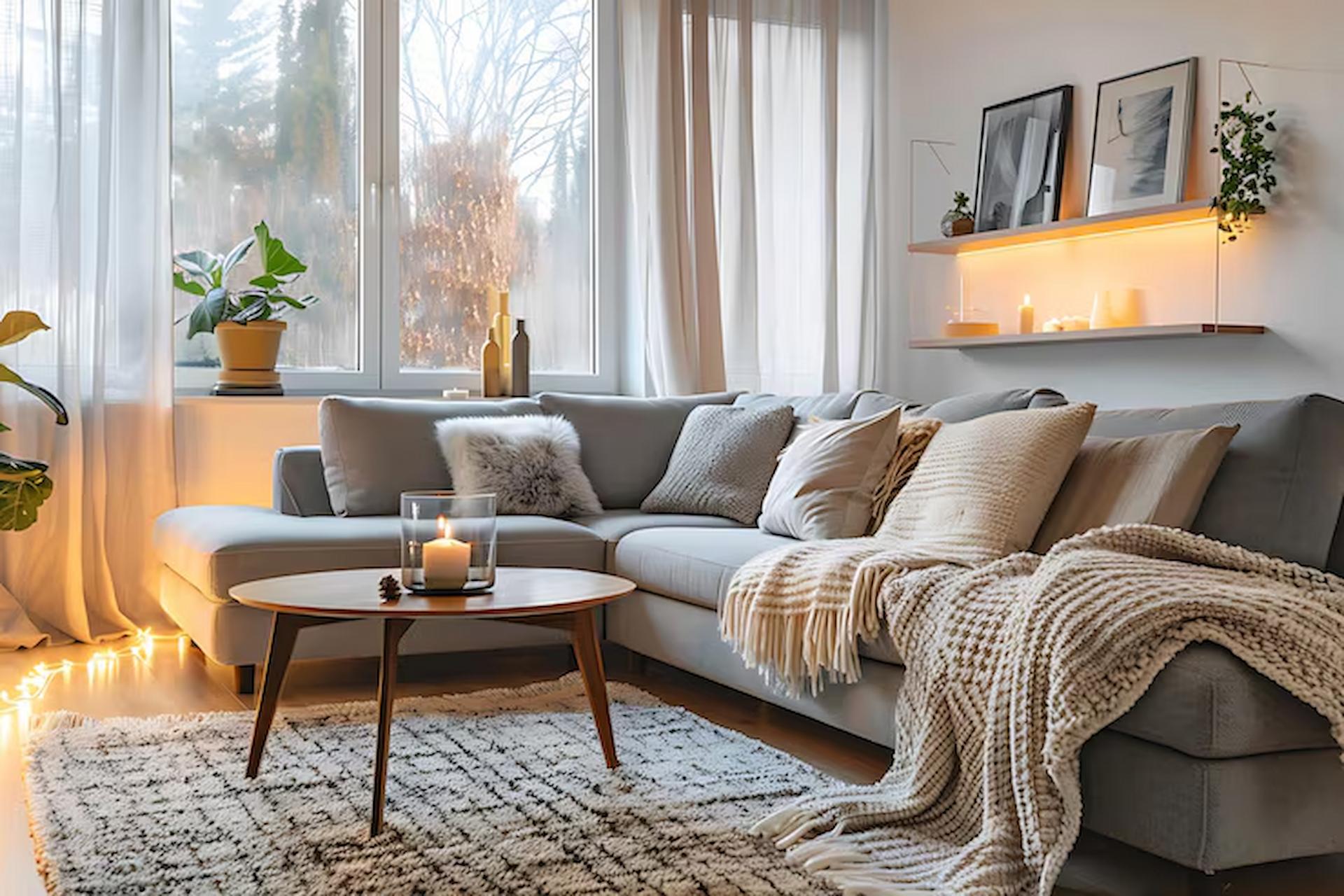
A cozy home is often described in visual terms—soft lighting, warm colors, inviting textures. But the real foundation of comfort sits quietly behind the walls. The way your home feels day to day depends less on décor and more on how well its core systems work together. Electrical wiring, plumbing, insulation, and airflow shape the atmosphere long before a cushion or throw is added.
Understanding this connection changes how you approach comfort. Instead of treating coziness as something you decorate, you begin to see it as something you build.
Why Comfort Begins with What You Can’t See
Every comfortable home shares a few invisible qualities. The temperature feels stable, the air moves gently without drafts, and the lighting feels balanced rather than harsh or dim. These experiences are not accidental. They come from a well-designed infrastructure working consistently in the background.
When systems are outdated or poorly maintained, the impact shows up in subtle but frustrating ways. Rooms feel uneven in temperature. Lights flicker or feel too cold. Water pressure varies. These small disruptions interrupt the sense of ease that defines a truly cozy space.
A well-functioning home, on the other hand, feels effortless. You rarely notice the systems because they simply do their job.
Insulation: The Quiet Keeper of Warmth
Insulation plays one of the most important roles in creating a cozy environment. It controls how heat moves in and out of your home, helping maintain a stable indoor temperature throughout the year.
Good insulation keeps warmth inside during winter and blocks excess heat during summer. Without it, even the best heating or cooling systems struggle to keep up. This often leads to higher energy use and inconsistent comfort across rooms.
What makes insulation powerful is its ability to create consistency. A home that holds its temperature well feels calm and predictable. You do not experience sudden chills or overheating, and that stability naturally enhances comfort.
Airflow and Ventilation: The Feel of Freshness
Comfort is not only about temperature. The way air moves through a space affects how it feels just as much. Balanced airflow ensures that every room receives the right amount of conditioned air, preventing hot or cold spots.
Poor airflow often leads to stuffy spaces or noticeable drafts. Both can make a room feel uncomfortable even if the temperature is technically correct. Proper ventilation also helps manage humidity, which plays a key role in how warm or cool a space feels.
When airflow is balanced, the entire home feels lighter. The air is fresh, the temperature is even, and the space feels naturally inviting.
Electrical Systems: Lighting That Sets the Mood
Lighting is one of the most visible elements of coziness, yet it relies entirely on what happens behind the walls. The quality of your electrical system affects how stable, flexible, and effective your lighting can be.
A strong electrical setup allows for layered lighting. This means combining ambient light for general visibility, task lighting for specific activities, and accent lighting to create depth and warmth. When these layers work together, the atmosphere becomes soft and adaptable rather than flat or harsh.
Even small issues, like inconsistent voltage or limited wiring, can restrict your ability to create this balance. Upgrading electrical systems often unlocks better lighting options, which directly improves how comfortable a space feels.
Plumbing: Everyday Comfort You Notice Instantly
Plumbing may not be the first thing that comes to mind when thinking about coziness, but its impact is immediate. Reliable water flow, consistent temperature, and efficient drainage all contribute to daily comfort.
A warm shower with steady pressure, a kitchen tap that works smoothly, and a heating system that responds quickly all create a sense of ease. When plumbing systems are outdated or inefficient, even simple tasks become frustrating.
Comfort is often built through these small, repeated experiences. When they work seamlessly, the home feels supportive and easy to live in.
Bringing Aesthetics and Infrastructure Together
Design and infrastructure are often treated as separate decisions, but they are deeply connected. The most comfortable homes are those where both work together from the start.
For example, the placement of windows affects natural light and airflow. The position of vents influences how evenly a room is heated or cooled. Even furniture layout can support or block airflow, changing how a space feels.
When you align design choices with how your home functions, the result feels natural. The space does not just look good—it works well, and that balance creates a deeper sense of comfort.
Practical Ways to Improve Everyday Comfort
Creating a cozy home does not always require major renovations. Small improvements to infrastructure can make a noticeable difference.
Upgrading insulation in key areas helps stabilise indoor temperature and reduce energy loss. Adjusting airflow by cleaning vents or repositioning furniture can improve how air moves through a room. Switching to warmer, more flexible lighting options can instantly soften the atmosphere.
Paying attention to water systems also matters. Fixing pressure issues or ensuring consistent hot water can transform daily routines into more comfortable experiences.
These changes may seem simple, but together they create a home that feels more balanced and reliable.
The Long-Term Value of a Well-Functioning Home
Investing in infrastructure is not just about immediate comfort. It also improves efficiency, reduces maintenance issues, and supports long-term living quality. A home that functions well requires less effort to maintain and adapts more easily to seasonal changes.
Over time, this consistency builds a sense of trust in your space. You know it will feel comfortable regardless of the weather or time of day. That reliability is what turns a house into a place where you truly feel at ease.
Conclusion
Cozy living is often associated with what we can see, but its true foundation lies behind the walls. Insulation, airflow, electrical systems, and plumbing quietly shape how a home feels every day. When these elements work together, comfort becomes effortless.
By looking beyond surface design and focusing on how your home functions, you create a space that supports you in a deeper, more lasting way. True coziness is not added at the end. It is built from the inside out.
Frequently Asked Questions
What makes a home feel truly cozy beyond décor?
A truly cozy home depends on stable temperature, balanced airflow, and reliable utilities. These elements ensure comfort in everyday living. While décor enhances visual appeal, the real sense of ease comes from how well the home functions behind the scenes, creating a consistent and comfortable environment.
How does insulation affect indoor comfort?
Insulation directly controls heat retention and energy efficiency. It keeps indoor temperatures steady by reducing heat loss in winter and blocking excess heat in summer. This stability prevents sudden temperature changes and helps maintain a calm, comfortable atmosphere throughout the home.
Why is airflow important for a comfortable home?
Airflow ensures that conditioned air is evenly distributed across all rooms. Without it, some areas may feel too hot or too cold. Proper airflow also improves air quality and reduces humidity, making the space feel fresher, lighter, and more comfortable overall.
Can lighting really impact how cozy a space feels?
Lighting plays a major role in creating ambiance. Soft, layered lighting adds warmth and depth, while harsh or uneven lighting can feel uncomfortable. A well-designed electrical system allows flexibility in lighting choices, helping create a more relaxed and inviting environment.
Conclusion
Cozy living is often associated with what we can see, but its true foundation lies behind the walls. Insulation, airflow, electrical systems, and plumbing quietly shape how a home feels every day. When these elements work together, comfort becomes effortless.
By looking beyond surface design and focusing on how your home functions, you create a space that supports you in a deeper, more lasting way. True coziness is not added at the end. It is built from the inside out.