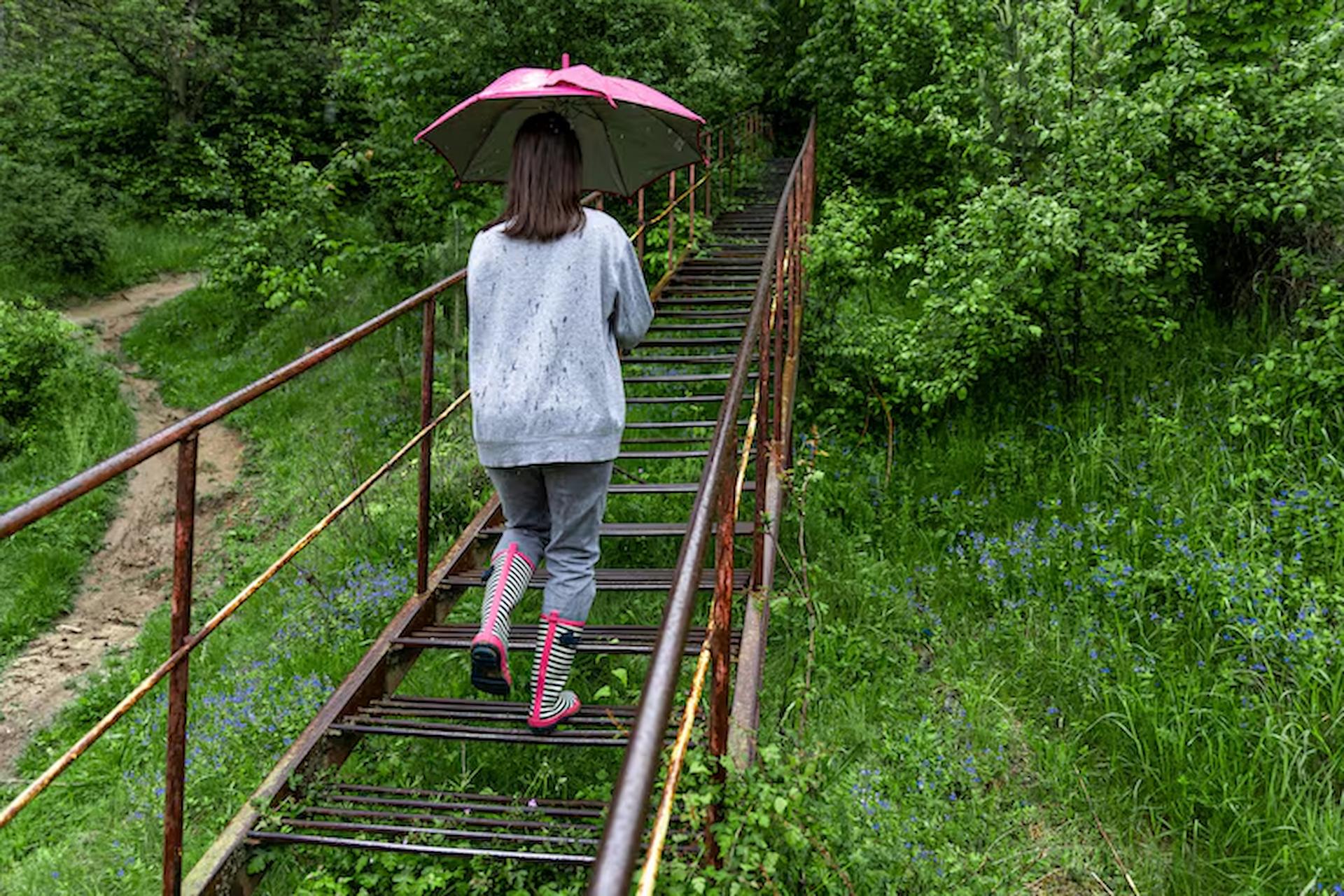
There is a quiet kind of travel that does not rush. It does not chase checklists or crowded landmarks. Instead, it follows narrow paths through forests, across hills, and into places where time seems to stretch. Hidden trails offer this experience. They invite you to slow down, notice more, and connect more deeply with both the landscape and yourself.
In a world shaped by fast itineraries and social media highlights, these lesser-known routes feel refreshing. They remind you that the most meaningful journeys are often the least obvious ones.
Why Hidden Trails Matter More Than Ever
Popular destinations have their place, but they often come with crowds, noise, and pressure to keep moving. Hidden trails offer the opposite.
They create space for:
- Silence and reflection without constant distraction
- Genuine connection with nature rather than curated viewpoints
- Cultural immersion in places that have not been shaped for tourism
- A slower pace that allows experiences to unfold naturally
When you walk a quiet trail, you are not just passing through a place. You are experiencing it fully—step by step, moment by moment.
The Essence of Slow Travel
Slow travel is not about distance. It is about depth. Hidden trails naturally support this mindset.
Instead of asking “How much can I see?”, slow travel asks:
- How well can I understand this place?
- What can I learn from being here?
- How does this environment make me feel?
Hidden trails encourage you to pause. You notice small details—the sound of leaves underfoot, the smell of rain in the soil, the rhythm of a local village nearby. These moments stay with you far longer than any rushed sightseeing stop.
Where to Find Hidden Trails
You do not need to travel far to discover lesser-known paths. They exist in many forms across different landscapes.
Forest Paths
Dense woodlands often hide trails that feel untouched. These routes offer shade, calm, and a strong sense of immersion in nature.
Mountain Routes
Away from popular trekking circuits, smaller mountain trails provide solitude and expansive views without the crowds.
Rural Countryside
Village pathways and farmland routes reveal everyday life. These trails often lead to meaningful interactions with local communities.
Coastal Walks
Quiet stretches of coastline can offer peaceful walks with uninterrupted sea views and minimal development.
The key is to look beyond well-known travel guides. Local recommendations, small maps, and community knowledge often lead to the best discoveries.
Planning a Hidden Trail Journey
Exploring lesser-known paths requires a bit more preparation, but the effort pays off.
Do Your Research
- Study maps carefully, including offline versions
- Look for recent updates from travellers or local sources
- Understand the terrain and weather conditions
Pack Thoughtfully
- Carry enough water and simple food
- Wear reliable footwear suited to the terrain
- Bring a basic first-aid kit
Stay Flexible
Hidden trails are not always predictable. Plans may change due to weather, accessibility, or local advice. Flexibility helps you adapt without stress.
Safety on Less-Traveled Paths
While hidden trails offer freedom, they also demand responsibility.
- Inform someone of your route and expected return time
- Avoid hiking alone in unfamiliar or remote areas
- Carry navigation tools such as maps or GPS
- Respect your limits—do not push beyond your comfort level
Preparedness allows you to enjoy the experience without unnecessary risk.
Respecting Nature and Local Communities
Hidden trails often pass through fragile ecosystems and close-knit communities. Responsible travel is essential.
Follow These Principles:
- Leave no trace—carry back all waste
- Stay on existing paths to avoid damaging vegetation
- Avoid disturbing wildlife
- Ask permission when entering private or community land
Support Local Culture:
- Buy from local vendors
- Respect traditions and customs
- Engage politely and openly
These actions ensure that hidden trails remain preserved for future travellers.
The Emotional Value of Solitude
There is a unique clarity that comes from walking a quiet path. Without noise or pressure, your mind slows down.
You begin to:
- Reflect more deeply
- Notice your surroundings with greater awareness
- Feel a stronger connection to the present moment
This is the true essence of slow travel. It is not just about where you go, but how you experience it.
Hidden Trails and Sustainable Travel
Overtourism is a growing concern. Popular destinations often face environmental strain and cultural disruption. Hidden trails offer a balanced alternative.
They help by:
- Distributing tourist activity more evenly
- Reducing pressure on overcrowded areas
- Encouraging mindful, low-impact travel
When travellers choose less crowded routes, they contribute to a more sustainable tourism model.
How to Make the Most of the Experience
To truly benefit from hidden trails, approach them with intention.
- Walk without rushing
- Limit digital distractions
- Stay curious and observant
- Be open to unexpected moments
Sometimes, the most meaningful part of the journey is not reaching a destination, but simply being present along the way.
FAQs
What are hidden trails in travel?
Hidden trails are lesser-known paths that are not part of mainstream tourist routes. They often exist in natural or rural settings and offer quieter, more immersive travel experiences. These trails allow travellers to explore landscapes and cultures in a more personal and unhurried way, away from crowds.
Why is slow travel important?
Slow travel focuses on meaningful experiences rather than rushing through destinations. It helps travellers connect deeply with places, understand local cultures, and reduce travel stress. It also supports sustainability by encouraging longer stays and mindful exploration instead of high-impact, fast-paced tourism.
How can I find hidden trails safely?
You can find hidden trails through local recommendations, offline maps, and community forums. Always research the area, check weather conditions, and ensure the trail is suitable for your skill level. Inform someone about your plans and carry essential safety gear to stay prepared.
Are hidden trails suitable for beginners?
Some hidden trails are beginner-friendly, especially in rural or forest areas with gentle terrain. However, others may be more challenging. It is important to assess the difficulty level, distance, and accessibility before choosing a trail to ensure it matches your experience and fitness level.
How do hidden trails support sustainable tourism?
Hidden trails reduce pressure on overcrowded tourist spots by spreading visitors across less popular areas. This helps protect natural environments and local communities. Travellers on these routes are also more likely to engage in responsible practices, supporting sustainability efforts.
In Conclusion
Hidden trails offer something rare in modern travel—space to think, feel, and connect. They shift the focus from ticking off destinations to experiencing places in a deeper, more personal way. By choosing these quieter paths, you not only enrich your own journey but also support a more thoughtful and sustainable way of exploring the world. Slow travel begins with a single step, often on a path few people notice.