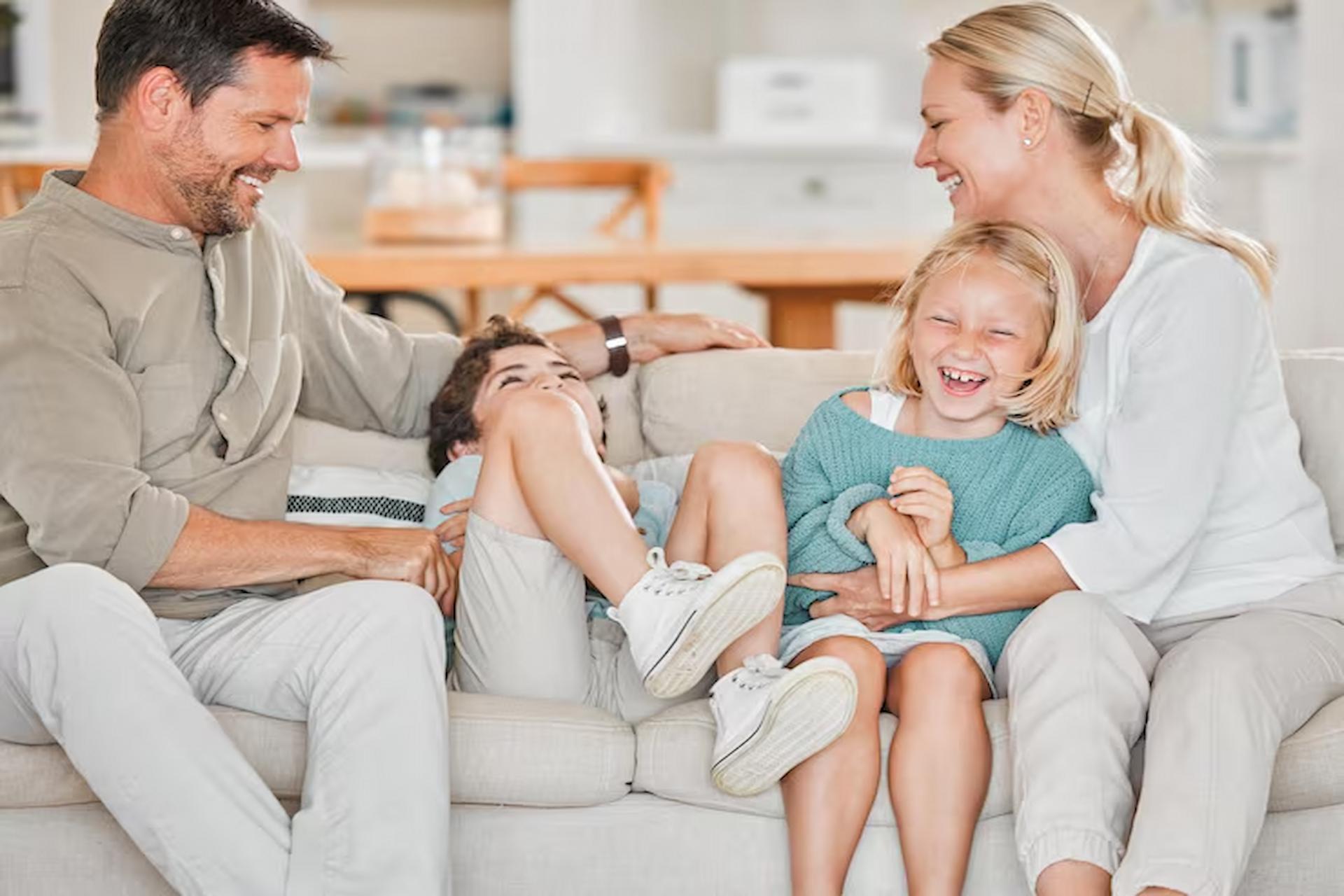
Family has long been described in narrow terms—two parents, their children, and a shared home. But real life has always been more complex, and today it is also more visible. Across cultures and communities, people are building families in ways that reflect who they are, what they value, and how they want to love and be loved.
These unconventional family structures are not substitutes for something “missing.” They are intentional, often deeply thoughtful ways of creating stability, care, and belonging. When you look closely, many of them offer the same—sometimes greater—emotional security and support as traditional models.
Chosen Families in LGBTQ+ Communities
Chosen families are formed by people who create deep, lasting bonds outside of biological ties. This model is especially common in LGBTQ+ communities, where individuals may face rejection from their families of origin.
In practice, chosen families function like any other family. Members celebrate milestones together, provide financial or emotional support during difficult times, and step into roles traditionally associated with relatives. A friend becomes a parent figure. A group of close companions becomes siblings.
There is a common misconception that chosen families are temporary or less stable. In reality, they are often built on deliberate care and shared experience, which can make them incredibly resilient. Many people in chosen families describe a strong sense of belonging because the relationships are actively chosen, not assumed.
Platonic Co-Parenting Arrangements
Platonic co-parenting involves two or more adults raising a child together without being romantically involved. These arrangements are carefully planned, often with clear agreements about responsibilities, finances, and decision-making.
The strength of this model lies in its clarity. Without romantic expectations, co-parents can focus entirely on the child’s well-being. Communication tends to be more intentional, and roles are defined early on.
Some people assume that children need a romantic couple as parents to thrive. Research and lived experiences suggest otherwise. What children need most is stability, emotional availability, and consistent care—qualities that platonic co-parents can provide just as effectively.
Multi-Generational Households Beyond the Nuclear Model
In many parts of the world, multi-generational living is the norm rather than the exception. Grandparents, parents, and children share a home or live closely connected lives.
This structure offers practical and emotional advantages. Childcare responsibilities are shared. Older family members remain integrated into daily life. Younger generations benefit from guidance and continuity.
Critics sometimes frame this model as outdated or restrictive. Yet for many families, it creates a strong support system that reduces isolation and financial pressure. It also strengthens intergenerational bonds that are often lost in more individualistic setups.
Polyamorous Families Raising Children
Polyamorous families involve more than two adults in consensual, committed relationships. Some of these families choose to raise children together, creating a network of caregivers within the household.
Daily life in these families often includes shared responsibilities, open communication, and clear boundaries. Children may grow up with multiple parental figures who contribute in different ways.
This model is frequently misunderstood. It is often reduced to assumptions about instability or confusion. In reality, successful polyamorous families prioritise honesty, structure, and emotional clarity. Children benefit from having more adults invested in their growth and well-being.
Families Built Through Adoption and Fostering
Adoptive and foster families are formed through care rather than biology. These families provide homes for children who need stability, safety, and love.
The practical reality includes navigating legal processes, emotional transitions, and sometimes complex histories. It requires patience and commitment, especially when supporting children through past trauma.
A common misconception is that these families are “second-best” alternatives. In truth, they are often deeply intentional. Many adoptive and foster parents actively choose to build their families this way, bringing a level of preparedness and dedication that shapes strong, lasting bonds.
“Living Apart Together” Partnerships
Some couples choose to maintain committed relationships while living in separate homes. This arrangement, often called “living apart together,” allows individuals to balance independence with connection.
In daily life, partners share time, responsibilities, and emotional support, but retain personal space. This can be especially beneficial for people with demanding careers, caregiving responsibilities, or a strong preference for autonomy.
The assumption that physical proximity equals emotional closeness does not always hold. Many couples in these arrangements report high levels of satisfaction, as the relationship is built on choice rather than obligation.
Adult Siblings Raising Families in Close Proximity
In some families, adult siblings choose to live near each other and raise their children as a connected unit. While each household maintains independence, daily life is shared through constant interaction.
Children grow up with close relationships not only with cousins but also with their aunts and uncles, who often take on active caregiving roles. This creates a strong sense of community within the family itself.
This model challenges the idea that family life must centre around a single household. Instead, it expands the definition of support, showing how connection can be maintained across separate but closely linked homes.
Intentional Communities as Extended Families
Intentional communities are groups of people who choose to live together or nearby based on shared values. These communities often function as extended families, with shared resources, responsibilities, and decision-making.
Daily life may include communal meals, cooperative childcare, and collective problem-solving. Members support one another in practical and emotional ways.
Scepticism often focuses on sustainability or conflict. Yet many intentional communities thrive because they are built on clear agreements and mutual respect. For those involved, they offer a strong sense of belonging that can be difficult to find elsewhere.
What These Families Have in Common
Despite their differences, these family structures share a few defining qualities. They are built on intention. They rely on communication. They prioritise care over convention.
They also reflect a broader shift in how people understand relationships. Instead of following a single model, individuals are asking what truly works for them and the people they love.
This shift does not diminish traditional families. It simply expands the definition, making space for more people to feel seen and supported.
A Broader Definition of Belonging
When you step back, the idea of family becomes less about structure and more about function. Who shows up for you consistently. Who supports your growth. Who creates a sense of home, even if that home looks different from what you expected.
Modern families are diverse because human lives are diverse. There is no single blueprint that fits everyone, and there does not need to be one.
The more we recognise this, the easier it becomes to respect and appreciate the many ways people create meaningful connections. Family, at its core, is not defined by biology or legal documents. It is defined by care, commitment, and the willingness to stay.
FAQs
What is an unconventional family structure?
An unconventional family structure refers to any family model that differs from the traditional nuclear setup. This can include chosen families, co-parenting arrangements, multi-generational homes, or communal living. These families focus on emotional support, shared responsibility, and long-term commitment rather than fitting into a predefined societal model.
Are children raised in non-traditional families as well-adjusted?
Yes, children in non-traditional families can be just as well-adjusted as those in traditional ones. What matters most is consistent care, emotional stability, and supportive relationships. Research and lived experiences show that a nurturing environment, not the structure itself, plays the biggest role in a child’s development.
Why are chosen families important in modern society?
Chosen families are important because they provide support and belonging for people who may not have strong ties to their biological families. They are built on trust, shared experiences, and mutual care, offering emotional security and stability that is often just as strong as traditional family bonds.
Do unconventional families face social challenges?
Yes, unconventional families can face judgment or misunderstanding due to societal expectations. However, increasing awareness and representation are helping shift perceptions. Many people are beginning to recognize that love, respect, and commitment matter more than adhering to a single traditional model.
Can unconventional families provide long-term stability?
Unconventional families can offer strong long-term stability when built on clear communication, shared values, and mutual commitment. Many of these families are intentionally structured, with defined roles and expectations, which can create a stable and supportive environment over time.
Conclusion
Family is no longer defined by a single shape or formula—and that is a sign of progress, not loss. As people create relationships that reflect their realities, values, and emotional needs, the meaning of family becomes richer and more inclusive.
What stands out across all these models is simple but powerful: love, consistency, and care. Whether formed through choice, circumstance, or shared purpose, these bonds provide the same sense of security and belonging that every person seeks.
When we move beyond rigid definitions, we make space for more authentic connections. And in doing so, we begin to understand that family is not about how it looks from the outside, but how it feels from within.