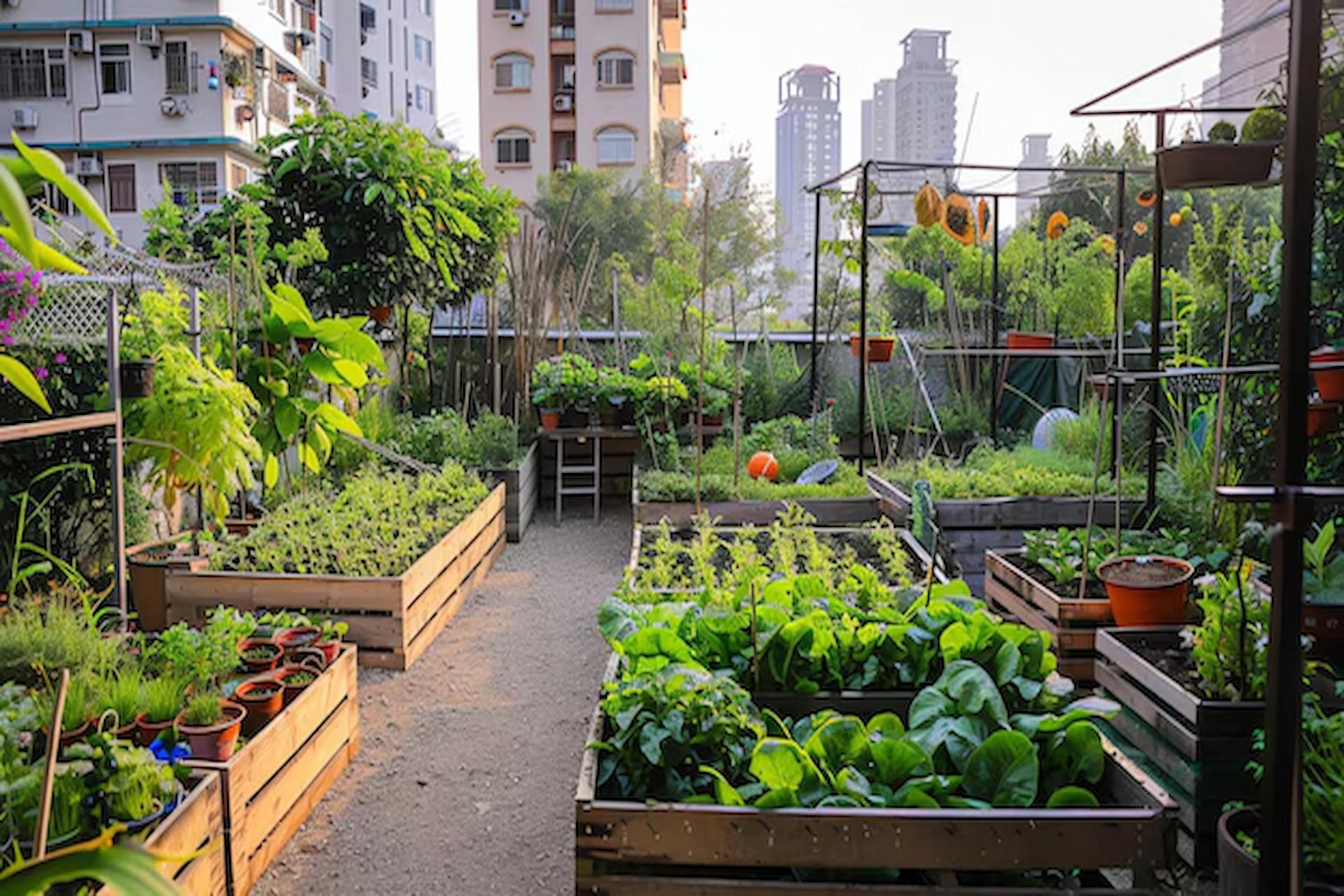
Urban living often comes with one clear trade-off: limited space. Yet, that does not mean giving up on greenery, fresh produce, or the calming presence of plants. Urban gardening has quietly become one of the most practical and rewarding ways to reconnect with nature, even in the middle of a busy city.
With the right approach, even the smallest balcony, windowsill, or corner can be transformed into a thriving green space. Whether you are a beginner or someone looking to refine your setup, urban gardening offers a flexible, sustainable way to grow your own environment.
Why Urban Gardening Matters Today
Cities are growing, but so is the desire for healthier, more balanced living. Urban gardening addresses both.
Growing your own plants improves air quality in your immediate surroundings. It gives you access to fresh herbs and vegetables without relying entirely on store-bought produce. More importantly, it creates a sense of calm in spaces that are often filled with noise and movement.
There is also a deeper shift happening. People are becoming more aware of sustainability. Growing even a small portion of your own food reduces waste, cuts down transportation impact, and builds a more mindful lifestyle.
Getting Started Without Feeling Overwhelmed
The biggest misconception about gardening is that it requires space, time, and expertise. In reality, it starts with small, manageable steps.
Begin by understanding your space. Notice how much sunlight it gets during the day. South-facing balconies receive more direct light, while indoor spaces near windows may need plants that tolerate shade.
Start simple. Choose plants that are easy to grow and maintain. Herbs like basil, mint, and coriander are ideal for beginners. They grow quickly, require minimal care, and are useful in everyday cooking.
Soil and containers matter more than people expect. Good-quality potting mix ensures proper drainage and nutrients. Containers do not need to be expensive. Reused jars, wooden boxes, or compact planters work just as well if they allow excess water to drain.
Smart Solutions for Small Spaces
Limited space often pushes creativity, and urban gardening thrives on it.
Vertical gardening is one of the most effective approaches. Instead of spreading out, plants grow upward. Wall-mounted planters, hanging pots, or stacked shelves allow you to multiply your growing area without using additional floor space.
Container gardening is equally practical. Each plant grows in its own pot, making it easy to manage and move. This is especially helpful for renters or people who frequently rearrange their spaces.
Indoor gardening has also become more accessible. With proper placement and occasional rotation for sunlight, many plants adapt well indoors. If natural light is limited, simple grow lights can support healthy growth without much effort.
Choosing the Right Plants for Urban Living
Success in urban gardening often comes down to selecting the right plants for your environment.
Leafy greens like spinach and lettuce grow well in small containers and do not require deep soil. Herbs remain a popular choice because they are compact and continuously harvestable. Cherry tomatoes and chillies can thrive in pots if they receive enough sunlight.
For those focused on aesthetics, indoor plants like pothos, snake plants, and peace lilies are low-maintenance and visually appealing. They also contribute to better indoor air quality.
It is always better to grow a few plants well rather than trying to manage too many at once. This keeps the process enjoyable instead of overwhelming.
Daily Care That Makes a Real Difference
Urban gardening does not demand hours of work, but consistency matters.
Watering should be regular but not excessive. Overwatering is one of the most common mistakes. Checking the top layer of soil before watering helps maintain balance.
Sunlight is another key factor. Plants naturally lean towards light, so rotating pots occasionally ensures even growth. Keeping leaves clean also allows them to absorb light more efficiently.
Feeding plants with organic compost or natural fertilizers supports long-term growth. Even kitchen waste like vegetable peels can be composted to create nutrient-rich soil over time.
The Emotional and Lifestyle Benefits
Urban gardening is not just about growing plants. It is about creating a healthier relationship with your surroundings.
Spending time caring for plants reduces stress and improves focus. It introduces a sense of routine without pressure. Watching something grow under your care brings quiet satisfaction that is often missing in fast-paced city life.
There is also a subtle shift in how you view consumption. When you grow even a small amount of your own food, you begin to appreciate quality, freshness, and effort in a different way.
Making It Sustainable for the Long Term
The real strength of urban gardening lies in its adaptability. It does not require perfection. It grows with you.
Start small, observe what works, and adjust as needed. Over time, your setup becomes more efficient and tailored to your lifestyle. Seasonal changes, space adjustments, and new plant choices keep the process dynamic and engaging.
Sustainability comes from consistency, not scale. Even a few thriving plants can make a meaningful difference in how your space feels and functions.
Frequently Asked Questions (FAQs)
Can I start urban gardening without a balcony?
Yes, urban gardening can be done indoors using windowsills or shelves. Many plants grow well with indirect sunlight, and grow lights can support areas with limited natural light.
Which plants are easiest for beginners in small spaces?
Herbs like basil, mint, and coriander are the easiest to grow. They require minimal care, grow quickly, and adapt well to containers.
How often should I water plants in urban gardens?
Watering depends on the plant and environment, but most plants need watering when the topsoil feels dry. Avoid overwatering to prevent root damage.
Do I need special containers for urban gardening?
No, you can use simple containers like pots, jars, or recycled boxes. The key requirement is proper drainage to prevent water buildup.
Is urban gardening time-consuming?
Urban gardening requires minimal daily effort. A few minutes of watering, checking sunlight, and occasional care is enough to maintain a healthy setup.
Final Thoughts
Urban gardening is a practical response to modern living. It brings nature closer without demanding large spaces or complex systems. With simple steps and thoughtful choices, anyone can create a green corner that supports well-being, sustainability, and everyday joy.