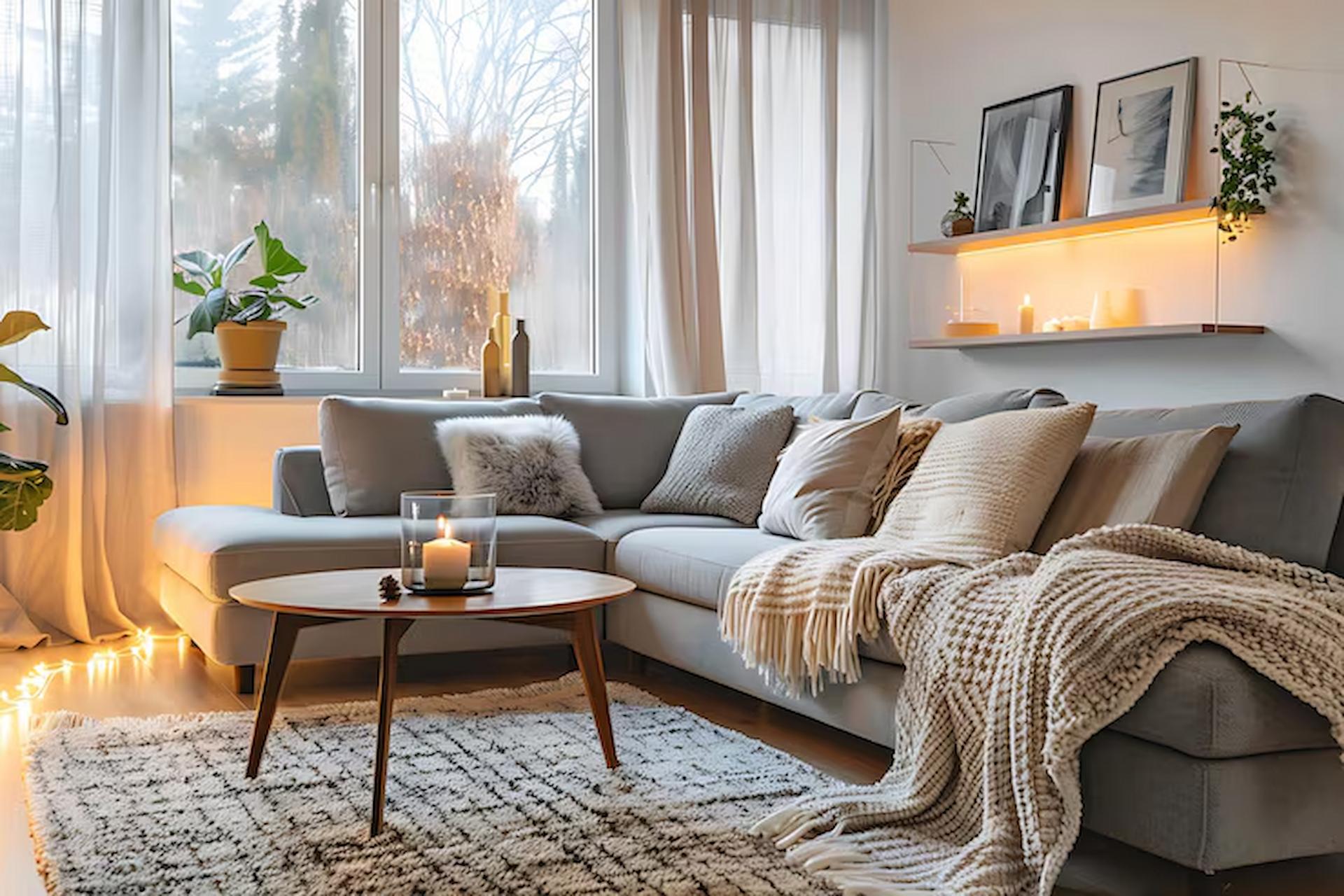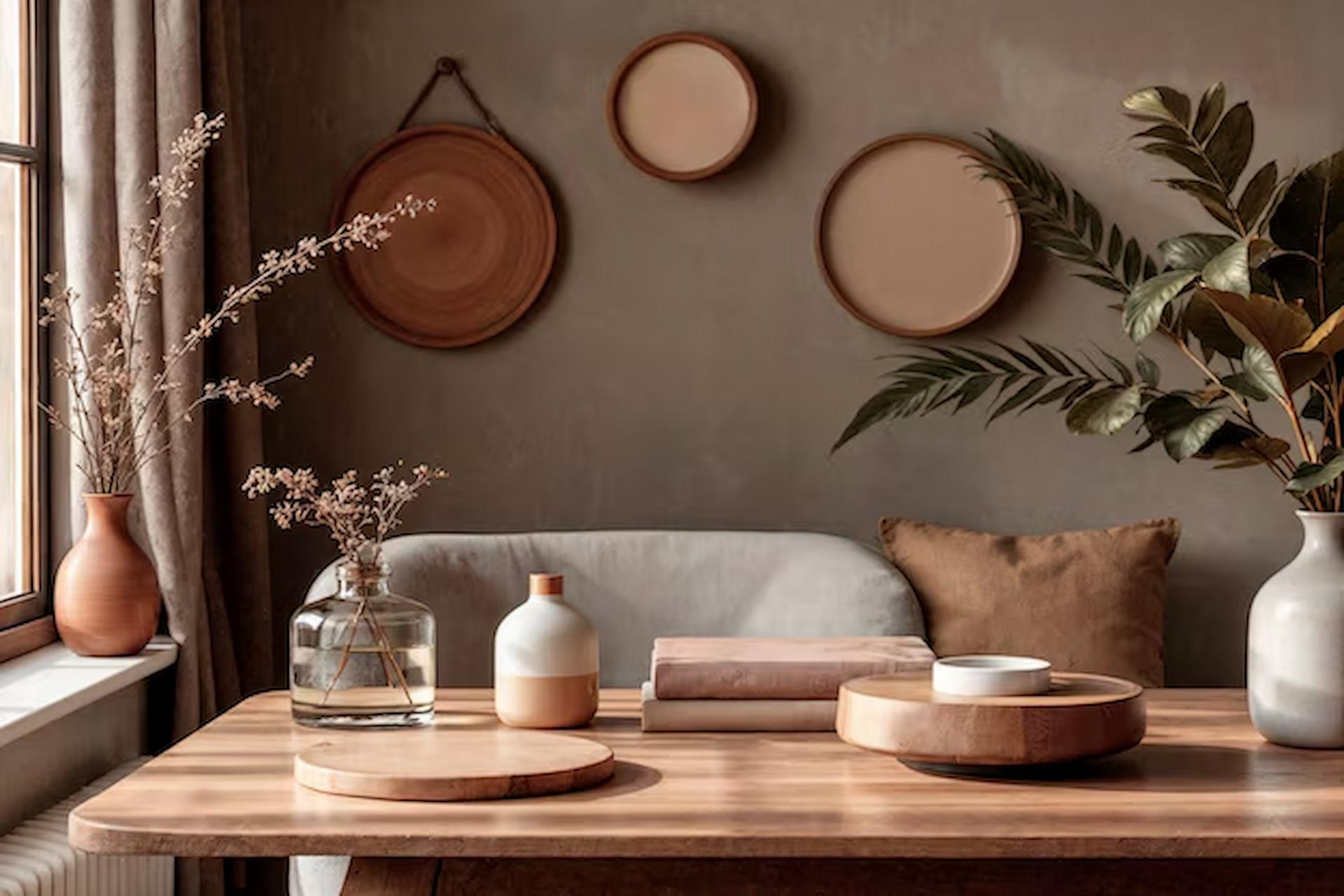
A well-designed room rarely relies on a single element to feel complete. It’s the thoughtful combination of textures, colors, and materials that creates a space people want to spend time in. This is where layering comes in. Done right, it adds depth, comfort, and personality without making a room feel crowded or overdone.
Layering is not about adding more for the sake of it. It is about choosing the right elements and arranging them in a way that feels balanced, natural, and inviting—no matter the season.
What Layering Really Means in Interior Design
Layering is the process of building a room in stages. Instead of decorating all at once, you gradually add elements that work together to create a cohesive look.
Think of it like dressing for changing weather. You start with a base, then add pieces for warmth, texture, and style. The same principle applies to interiors.
A well-layered space typically includes:
- A strong foundation (walls, flooring, large furniture)
- Mid-level elements (rugs, curtains, accent furniture)
- Finishing touches (cushions, throws, lighting, décor)
Each layer serves a purpose while contributing to the room’s overall feel.
Start with a Strong Foundation
Every inviting interior begins with a solid base. This includes your walls, flooring, and main furniture pieces.
Neutral tones often work best here. They create a calm backdrop and give you more flexibility when adding layers later. Shades like soft whites, warm greys, earthy beiges, or muted pastels help anchor the space.
Focus on:
- Comfortable seating that suits your lifestyle
- Flooring that feels warm underfoot (wood, rugs, or layered carpets)
- Simple, timeless furniture shapes
A strong base ensures the room never feels chaotic, even as you add more elements.
Add Texture to Create Depth
Texture is one of the most powerful tools in layering. It brings a room to life, even if you are working with a limited color palette.
Mixing textures prevents a space from feeling flat. For example, a linen sofa paired with a chunky knit throw instantly adds contrast and interest.
Some easy ways to introduce texture:
- Soft throws and woven blankets
- Velvet, cotton, or linen cushions
- Natural materials like wood, jute, or rattan
- Layered rugs with different weaves
The goal is to create a balance of smooth, soft, and tactile surfaces that invite touch and comfort.
Use Color with Intention
Color layering does not mean using many colors. It means using them thoughtfully.
Start with a base palette and build around it using complementary shades. This creates harmony while still allowing for variation.
A simple approach:
- Choose one main color
- Add two to three supporting tones
- Use accents for contrast
For example, a neutral room can feel warmer with layers of terracotta, olive green, or deep blue. Small additions like cushions or artwork can shift the mood without overwhelming the space.
Layer with Textiles for Instant Warmth
Textiles are the easiest way to transform a room across seasons.
In colder months, heavier fabrics create warmth. In warmer months, lighter materials keep the space breathable while maintaining comfort.
Focus on:
- Cushions in varied sizes and fabrics
- Throws draped casually over sofas or chairs
- Curtains that soften natural light
- Rugs that define zones and add softness
Layering textiles allows you to refresh a space without making major changes.
Lighting: The Overlooked Layer
Lighting is often treated as a functional element, but it plays a key role in how a room feels.
Instead of relying on a single overhead light, combine different sources to create depth and atmosphere.
Use a mix of:
- Ambient lighting (ceiling lights)
- Task lighting (reading lamps, desk lights)
- Accent lighting (table lamps, wall sconces)
Warm lighting creates a softer, more inviting environment. It also highlights textures and colours, making your layers more noticeable.
How to Layer in Small Spaces
Small spaces benefit greatly from layering when done carefully.
The key is to avoid clutter while still adding depth.
Practical tips:
- Stick to a consistent colour palette
- Use multifunctional pieces (storage ottomans, compact furniture)
- Layer vertically with shelves and wall décor
- Keep accessories minimal but meaningful
A few well-chosen layers can make a small room feel cosy rather than cramped.
How to Layer in Large Spaces
Large rooms often feel empty or disconnected without proper layering.
Here, the goal is to create zones and bring everything together.
Consider:
- Using rugs to define different areas
- Grouping furniture to encourage conversation
- Adding large-scale décor like artwork or plants
- Mixing materials to avoid a flat look
Layering helps break up the space and makes it feel more human and comfortable.
Seasonal Layering Made Simple
One of the biggest advantages of layering is flexibility. You can adapt your space throughout the year without a complete redesign.
In winter:
- Add heavier throws and thicker rugs
- Use warm, deep colours
- Introduce softer, dim lighting
In summer:
- Switch to lighter fabrics like cotton or linen
- Use brighter or more neutral tones
- Let in more natural light
Small adjustments keep your home feeling fresh and appropriate for the season.
Common Mistakes to Avoid
Layering works best when it feels effortless. Overdoing it can have the opposite effect.
Watch out for:
- Too many competing colors
- Excessive accessories that create clutter
- Ignoring the balance between textures
- Poor lighting that flattens the space
When in doubt, step back and remove one or two elements. A well-layered room should feel comfortable, not overwhelming.
FAQs
What is layering in interior design?
Layering in interior design is the process of combining different elements like textures, colors, and materials to create depth and comfort. It involves building a space step by step, starting with a base and adding details that enhance warmth and visual interest without overwhelming the room.
Why is layering important for home interiors?
Layering is important because it makes a space feel complete and inviting. Without it, rooms can look flat or unfinished. By adding layers, you create a sense of depth, improve comfort, and make the space feel more personalized and lived-in.
How can I layer a room on a budget?
You can layer a room affordably by focusing on small, impactful changes. Use cushions, throws, and rugs to add texture. Rearrange existing furniture, add soft lighting, and incorporate natural elements like plants. These simple updates can transform a space without requiring major investment.
Can layering work in minimalist interiors?
Yes, layering works well in minimalist interiors when done thoughtfully. The key is to keep the color palette simple and use subtle texture variations instead of adding many items. This approach maintains a clean look while still making the space feel warm and comfortable.
Final Takeaway
Layering is less about decoration and more about intention. It is the art of building a space that feels lived-in, comfortable, and personal.
By thoughtfully combining textures, colors, textiles, and lighting, you can create interiors that feel warm and inviting year-round. The beauty of this approach is its flexibility. You can start small, adjust over time, and let your space evolve naturally.