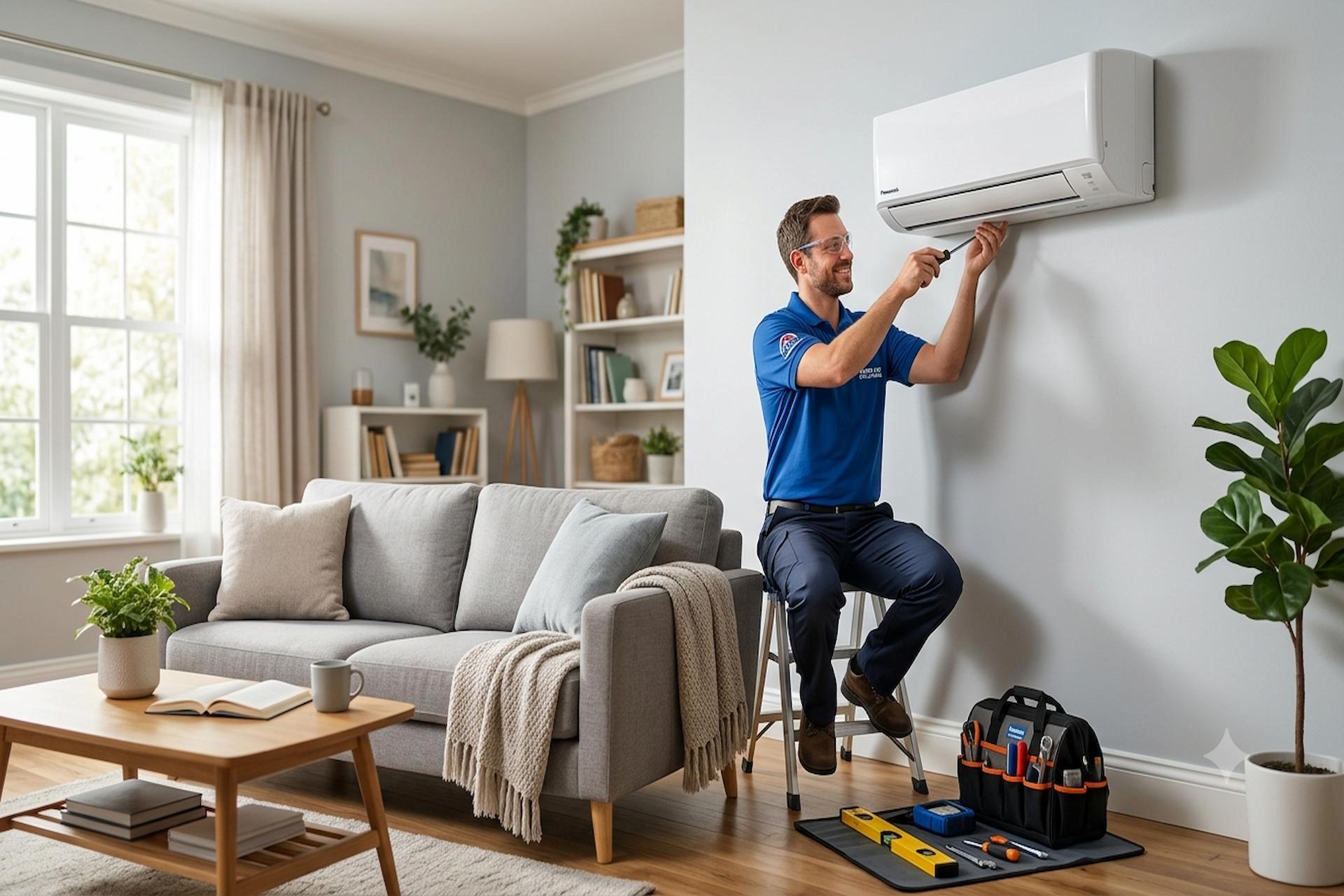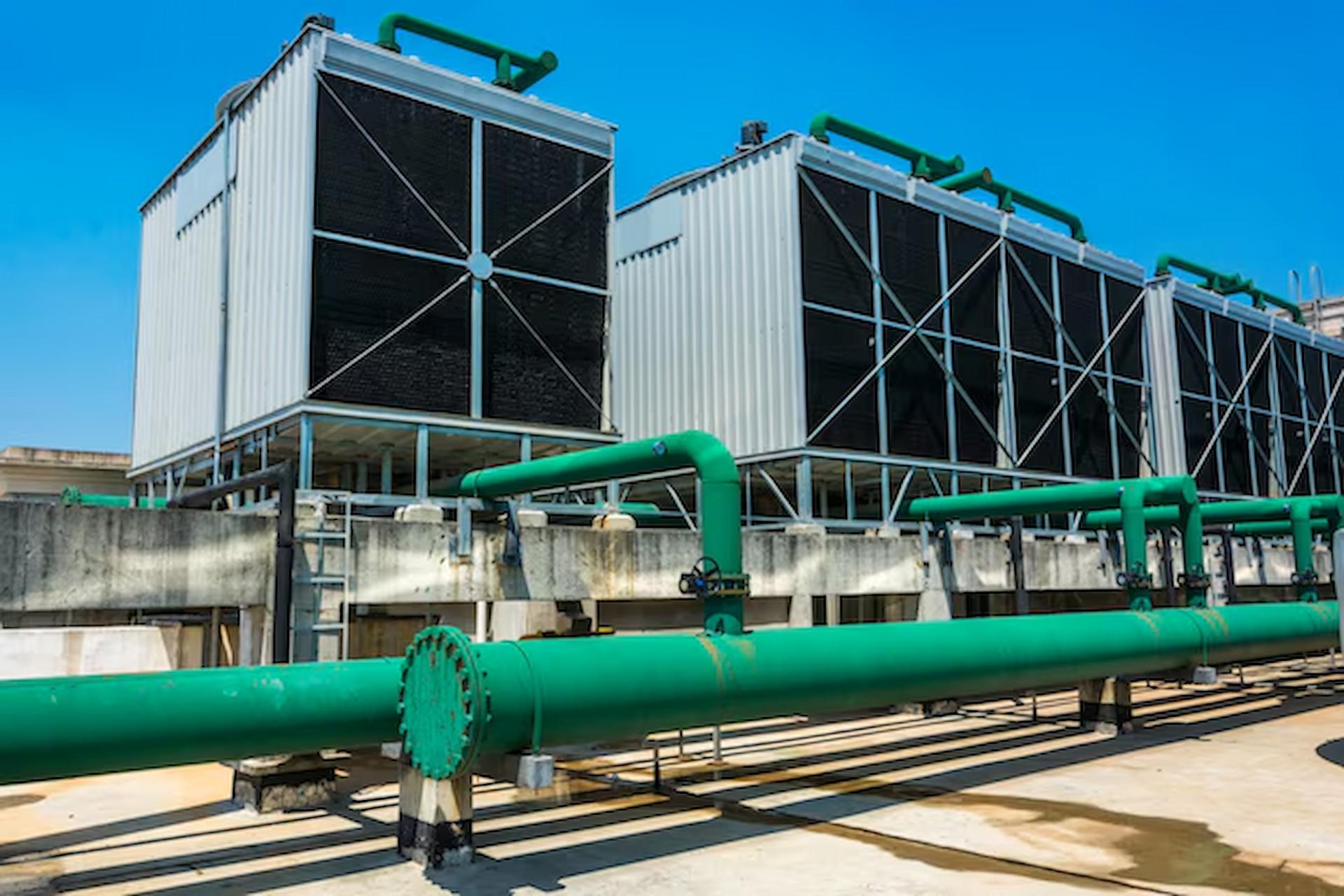
Commercial heating systems play a vital role in maintaining comfortable, productive, and safe indoor environments. Whether it is an office building, retail space, restaurant, warehouse, or healthcare facility, a reliable heating system helps businesses operate smoothly during colder months. However, heating problems in commercial properties rarely fix themselves. Small warning signs often develop into expensive repairs, higher energy costs, or complete system failure if they are ignored for too long.
Businesses delay maintenance because the system still appears to be working. Unfortunately, heating equipment can continue operating while hidden problems quietly worsen behind the scenes. This is why professional inspections and timely heat pump service are essential for keeping commercial systems efficient and dependable throughout the year.
Uneven Heating Throughout the Building
One of the most common commercial heating issues is uneven indoor temperatures. Some rooms may feel far too warm while others remain cold and uncomfortable. In larger buildings, this issue can affect employee productivity, customer comfort, and overall energy efficiency.
Uneven heating often points to deeper problems within the HVAC system. Dirty ductwork, blocked vents, malfunctioning thermostats, failing blower motors, or poor airflow balance can all contribute to inconsistent temperatures. In some cases, ageing equipment struggles to distribute heat properly across large commercial spaces.
Ignoring this issue may place extra strain on the system as it works harder to compensate for temperature differences. Over time, this can increase utility bills and shorten equipment lifespan. Scheduling professional heat pump service can help identify airflow issues before they become more serious.
Rising Energy Bills Without Explanation
A sudden increase in heating costs is usually a warning sign that the system is no longer operating efficiently. Commercial HVAC systems naturally consume significant energy, but unusual spikes in monthly bills should never be ignored.
Several problems may contribute to poor efficiency, including:
- Dirty filters restricting airflow
- Faulty thermostats are causing overheating
- Worn mechanical components
- Refrigerant issues in heat pump systems
- Leaking ductwork
- Lack of routine maintenance
When commercial heating systems work harder than necessary, energy consumption rises quickly. Businesses often overlook gradual increases because they happen over several months rather than all at once. Regular inspections and heat pump service can improve efficiency, reduce strain on the equipment, and help control operational costs.
Strange Noises Coming From the System
Commercial heating systems should operate relatively quietly. While some operational sound is normal, loud or unusual noises often indicate internal mechanical issues that require immediate attention.
Common warning sounds include banging, rattling, squealing, grinding, or buzzing. Each sound may point to a different problem. Loose components, worn belts, motor failure, airflow obstructions, or damaged bearings are all possible causes.
Ignoring strange noises can allow small mechanical problems to develop into major repairs. A damaged component may place additional pressure on surrounding parts, increasing the risk of sudden breakdowns during peak heating season.
In commercial settings, unexpected heating failures can disrupt business operations, create uncomfortable conditions for staff and customers, and even force temporary closures in extreme situations.
Poor Airflow and Weak Heating Performance
Weak airflow is another heating issue that businesses should address quickly. If warm air barely reaches certain parts of the building, the system may be struggling to circulate air effectively.
Restricted airflow can result from clogged filters, damaged ductwork, blocked vents, failing fans, or dirty internal components. In some cases, the heating system itself may no longer be properly sized for the building’s needs, especially after renovations or layout changes.
Poor airflow not only reduces comfort but also forces the system to run longer cycles to maintain temperatures. This increases wear on the equipment and raises energy consumption.
Commercial properties with poor airflow may also experience indoor air quality problems, including increased dust circulation and inconsistent humidity levels. Addressing these issues early helps maintain healthier indoor environments while supporting better HVAC performance.
Frequent Cycling and Constant Running
Commercial heating systems are designed to cycle on and off at controlled intervals. If the system constantly turns on and off or runs continuously without reaching the desired temperature, there may be an underlying problem.
Short cycling can result from thermostat malfunctions, overheating components, clogged filters, or improper system calibration. Continuous operation may indicate failing sensors, airflow restrictions, or insufficient heating capacity.
Both situations place excessive strain on commercial HVAC equipment. Constant cycling increases wear on motors and compressors, while systems that run continuously consume large amounts of energy.
These operational patterns should never be dismissed as normal ageing. Professional technicians can diagnose the issue and recommend repairs or adjustments before more serious damage occurs.
Unpleasant Smells Around Heating Equipment
Strange smells coming from heating systems often signal issues that require prompt attention. Burning odours may indicate overheating electrical components or dust buildup inside the system. Musty smells can point to moisture problems, Mold growth, or dirty ductwork.
In some cases, businesses may notice chemical-like odours caused by refrigerant leaks in heat pump systems. These leaks not only reduce efficiency but may also damage the equipment if left unresolved.
Commercial buildings rely heavily on indoor comfort and air quality. Unpleasant smells can negatively affect customers, employees, and visitors, especially in offices, hospitality settings, healthcare facilities, and retail spaces.
Routine maintenance and professional inspections help identify the source of these odours before they create larger safety or operational concerns.
Delaying Repairs Often Costs More
One of the biggest mistakes businesses make is postponing heating repairs to avoid immediate expenses. Unfortunately, delayed repairs often become significantly more expensive later.
Minor issues rarely stay minor in commercial HVAC systems. A small airflow problem can strain motors. Dirty components can reduce efficiency and increase overheating risks. Neglected maintenance can eventually lead to complete system failure.
Emergency repairs are often more costly than scheduled maintenance because they involve urgent service calls, replacement parts, and operational disruption. In some industries, heating problems may even affect customer satisfaction or employee productivity.
Preventative maintenance remains one of the most effective ways to protect commercial heating systems. Regular inspections allow technicians to detect early signs of wear, clean critical components, and ensure the system operates efficiently throughout the year.
Conclusion
Commercial heating systems are complex and heavily relied upon in modern business environments. Ignoring warning signs such as uneven heating, strange noises, rising energy bills, weak airflow, unpleasant smells, or constant cycling can lead to expensive repairs and operational disruption. Many heating issues develop gradually, making routine maintenance and early intervention especially important.
Professional inspections and regular servicing help businesses maintain reliable indoor comfort, improve energy efficiency, and extend equipment lifespan. Addressing problems early not only reduces long-term repair costs but also helps prevent unexpected breakdowns during colder months when dependable heating matters most.