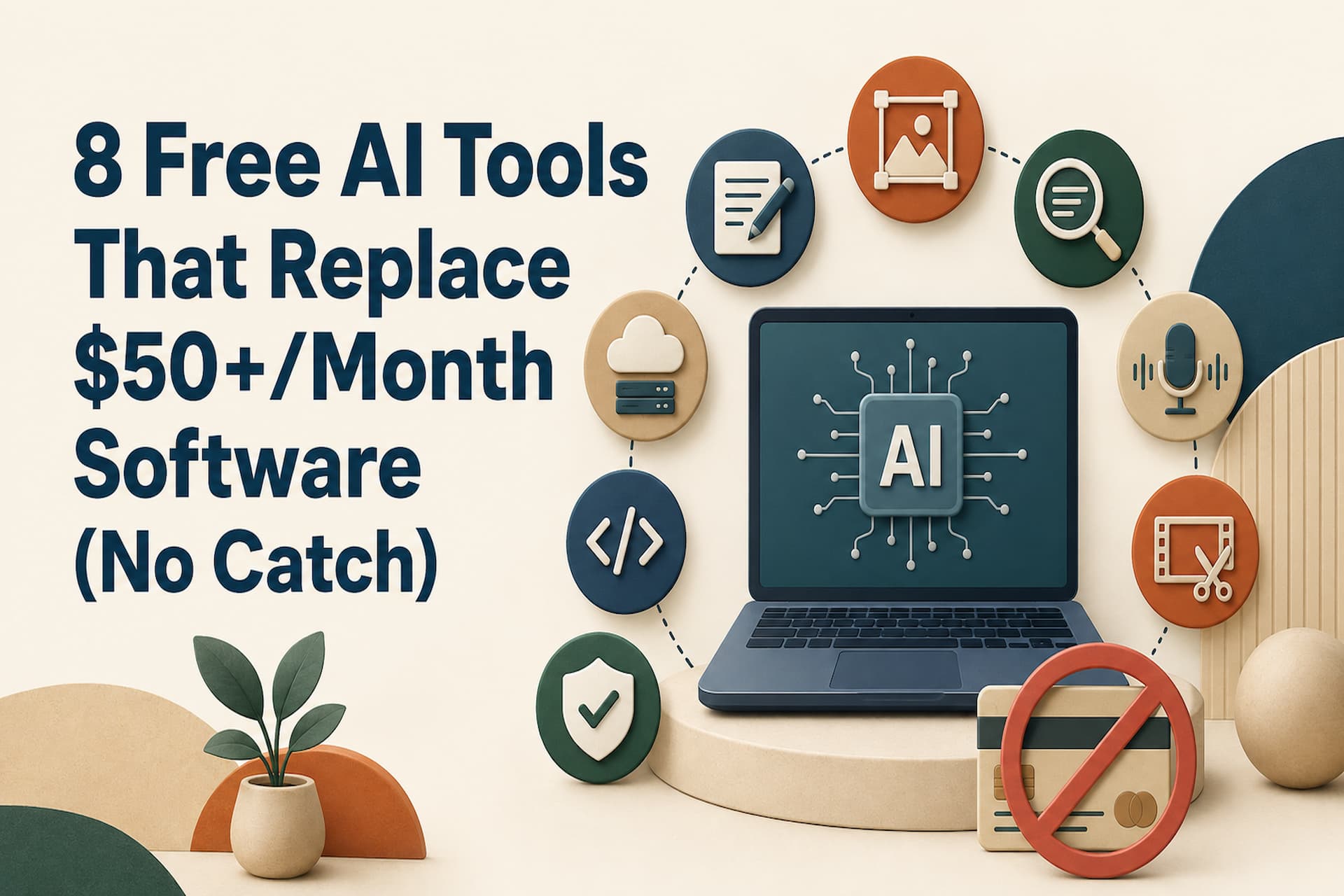
Artificial intelligence tools promise faster work, smarter decisions, and greater productivity, but not every platform delivers real value. From writing assistants and automation software to design and coding tools, understanding which AI solutions genuinely improve workflows can save time, money, and frustration. This guide explores how to evaluate AI tools practically, avoid common mistakes, and choose technology that truly supports long-term success.
Introduction
Artificial intelligence tools are now part of everyday work across writing, design, automation, research, and business operations. As more platforms enter the market, choosing the right solution becomes increasingly challenging. While some AI tools genuinely improve productivity and simplify workflows, others create unnecessary complexity without delivering lasting value.
Understanding how to evaluate AI tools practically helps individuals and businesses make smarter technology decisions. Instead of following trends, users can focus on usability, reliability, pricing, and real-world performance to identify solutions that truly support long-term efficiency and growth.
Why AI Tools Have Become So Popular
AI tools have grown rapidly because they help solve practical problems quickly. Businesses use them to automate tasks, improve customer service, analyse data, and speed up content production, while individuals rely on them for productivity, creativity, learning, and organisation.
Another major reason for their popularity is accessibility. Many modern AI platforms are designed for everyday users, allowing freelancers, entrepreneurs, students, and businesses to use advanced technology without technical expertise. By reducing repetitive work and speeding up decision-making, AI tools help users save time and focus more on strategic and creative tasks.
The Main Categories of AI Tools
AI tools are designed for different purposes, which is why understanding the major categories helps users make better decisions. Comparing tools only makes sense when they solve similar problems or support similar workflows.
-
Writing and Content Creation Tools
Writing-focused AI tools help users create blog posts, emails, social media captions, and marketing content more efficiently. They improve organisation, readability, tone, and SEO support while saving time on repetitive tasks.
However, human editing, creativity, and fact-checking still remain essential for producing high-quality and reliable content.
-
AI Design and Image Generation Tools
AI design tools help users create illustrations, presentations, branding concepts, and marketing visuals quickly. Their speed and accessibility make them useful for businesses, creators, and smaller teams.
However, AI-generated visuals still require human creativity and refinement to maintain strong design quality and brand consistency.
-
Productivity and Workflow Automation Tools
Productivity-focused AI tools help users organise tasks, automate workflows, manage schedules, and reduce repetitive work. Businesses often use these platforms to improve efficiency and simplify daily operations.
Automation software can handle reminders, reporting, data organisation, and customer requests, allowing teams to focus more on strategy and problem-solving. The most effective tools are usually simple, reliable, and easy to integrate into existing workflows.
-
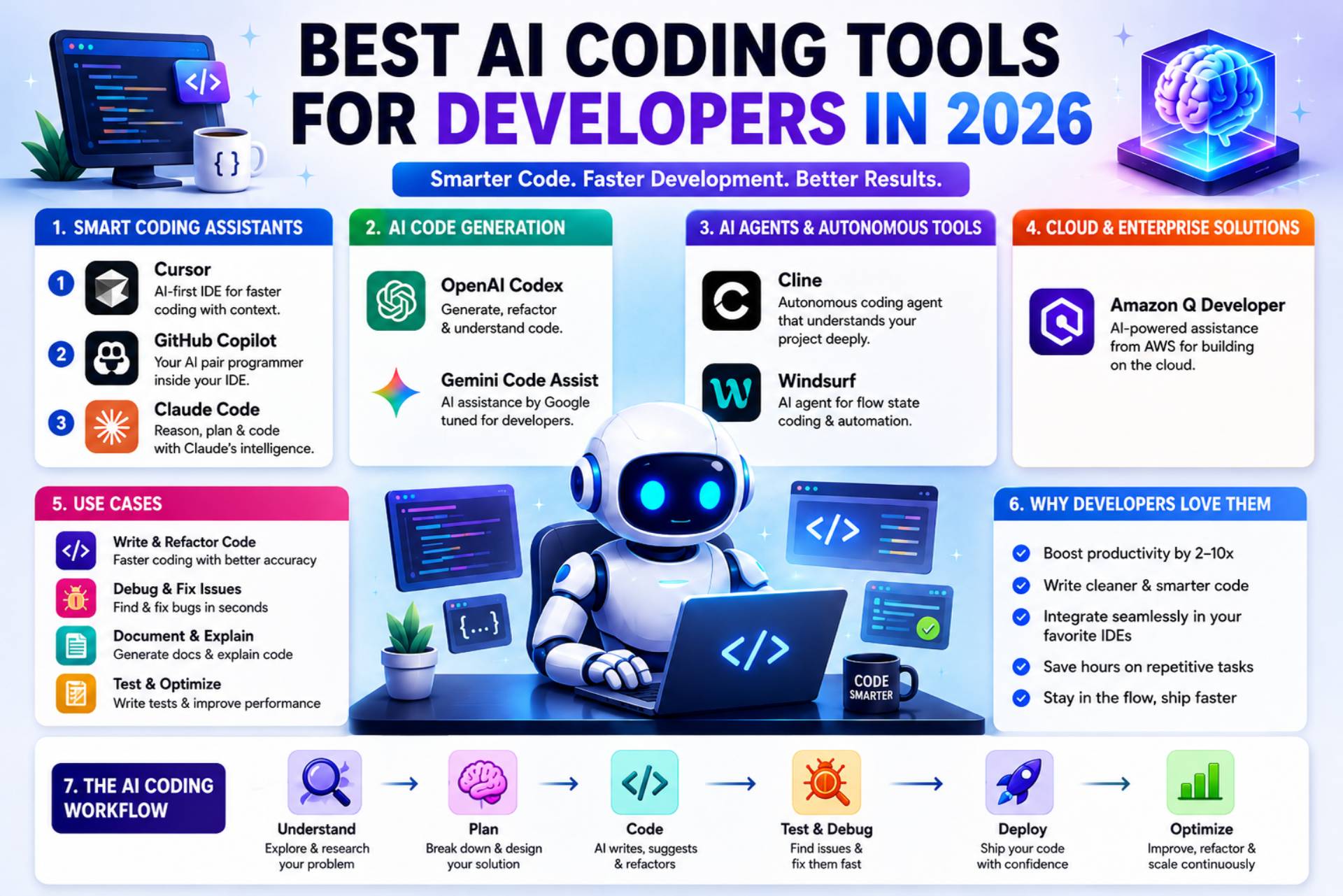
AI Coding and Development Tools
AI coding tools help developers generate code, detect bugs, improve documentation, and speed up repetitive programming tasks. These platforms can improve efficiency and support faster development workflows.
However, AI-generated code still requires technical knowledge and human review to identify errors, security risks, and performance issues.
What Makes an AI Tool Truly Valuable

Not every AI platform provides long-term value. Some tools generate excitement through marketing campaigns or impressive demonstrations but struggle during daily use. Practical value depends on how effectively a platform solves real problems over time.
Ease of Use Often Determines Success
Many users abandon AI tools because they feel overly complicated. Even powerful software loses value if people cannot use it efficiently within normal workflows.
Good AI tools should feel intuitive from the beginning. Users should be able to understand the interface, complete tasks quickly, and integrate the software into their routine without extensive training. Simplicity often creates more productivity than excessive complexity.
Platforms that focus on user experience typically maintain stronger long-term adoption because they reduce frustration and encourage consistent use.
Reliability and Accuracy Matter
One of the biggest concerns surrounding artificial intelligence is accuracy. Some AI tools generate outdated, incomplete, or misleading information, which can create serious problems if users rely on outputs without verification.
Reliable platforms should provide:
- Consistent performance
- Clear outputs
- Stable functionality
- Dependable workflow support
Even the best AI systems still require human review, particularly in industries where precision is critical. Strong tools help reduce workload without increasing the risk of costly mistakes.
Integration Improves Practical Value
An AI tool becomes far more useful when it connects smoothly with existing software systems. Businesses rarely operate using a single platform, which means compatibility plays an important role in long-term usability.
Effective integration helps create smoother workflows between communication platforms, project management tools, cloud storage systems, analytics dashboards, and customer management software. Poor integration, on the other hand, often creates disconnected systems that reduce efficiency instead of improving it.
Pricing Should Reflect Real Benefits
Many AI platforms operate on monthly subscription models. While some tools justify their pricing through measurable productivity gains, others offer limited practical value despite premium costs.
Before investing in any AI platform, users should evaluate whether the software genuinely improves workflow performance, saves time consistently, or reduces operational pressure. A tool that looks impressive during demonstrations may not always justify long-term expenses in everyday use.
Common Limitations of AI Tools
Despite rapid progress, artificial intelligence still has important limitations that users should understand clearly.
AI Cannot Fully Replace Human Judgement
AI systems process information quickly, but they still struggle with emotional understanding, contextual reasoning, ethics, and complex decision-making. Writing tools may lack nuance, automated customer responses can feel impersonal, and AI-generated recommendations may miss important context.
Human judgement remains essential because technology cannot fully understand intention, creativity, relationships, or business priorities in the same way people can.
Output Quality Depends on User Input
The quality of AI results often depends heavily on the quality of instructions provided. Clear prompts usually produce stronger outputs, while vague instructions lead to weaker responses.
Users who learn how to structure requests effectively often see significantly better results. Understanding context, defining goals clearly, and refining prompts are now valuable digital skills in many industries.
Privacy and Security Concerns Continue
Data privacy remains a major consideration when using AI platforms. Some tools collect user information to improve their systems, which raises concerns for businesses handling sensitive or confidential data.
Before adopting any AI software, organisations should review:
- Data handling policies
- Security standards
- Compliance requirements
- Storage practices
Protecting confidential information is just as important as improving efficiency.
How Businesses Are Using AI Successfully
Many businesses now use AI strategically rather than simply following trends. Instead of automating everything, successful organisations focus on solving specific operational challenges first.
Companies commonly use AI for customer support, marketing, workflow automation, reporting, and analytics. The strongest results usually come from combining AI efficiency with human oversight, allowing technology to support teams rather than replace them completely.
How to Choose the Right AI Tool
Selecting the right AI platform starts with understanding your actual needs rather than following industry trends.
-
Define the Problem First
Before exploring software options, identify the exact challenge you want to solve. Some users need better content workflows, while others want automation, faster research, or improved organisation.
Clear goals make evaluation much easier because they allow users to focus on practical functionality instead of unnecessary features.
-
Test Tools Before Making Commitments
Free trials and limited-access versions provide valuable insights into how a platform performs in real situations. Testing allows users to evaluate speed, usability, workflow compatibility, and overall efficiency before committing financially.
Hands-on experience is often more useful than reviews or promotional material because it reveals how well a tool fits into daily operations.
-
Focus on Long-Term Usability
Technology changes quickly, but strong platforms continue improving over time. Reliable AI providers usually invest in updates, support, scalability, and integration improvements that help users adapt as workflows evolve.
Long-term usability often matters more than temporary popularity. A stable, practical platform generally provides greater value than a trend-driven tool that may lose relevance quickly.
The Future of AI Tools
Artificial intelligence will likely become more integrated into everyday work, communication, and business operations. Future tools may offer stronger personalisation, smarter automation, and smoother workflows.
At the same time, human skills such as creativity, communication, critical thinking, and strategic decision-making will remain essential. The strongest results will likely come from people and AI working together rather than replacing one another.
Frequently Asked Questions
1. What are AI tools mainly used for?
AI tools are commonly used for writing, automation, research, design, customer support, coding, analytics, and productivity improvement across both personal and professional environments.
2. Are AI tools suitable for small businesses?
Yes, many AI tools help small businesses improve efficiency, automate repetitive work, reduce operational workload, and manage tasks more effectively without requiring large teams.
3. Can AI tools fully replace human workers?
No, AI tools support human work but cannot fully replace creativity, emotional understanding, strategic thinking, or complex decision-making abilities.
4. How should someone choose the right AI tool?
Users should identify a specific problem, compare usability and pricing, test platforms carefully, and evaluate whether the tool improves daily workflows consistently.
5. Are free AI tools reliable for regular use?
Some free AI tools work well for basic tasks, but paid versions often provide better accuracy, advanced features, stronger integrations, and higher usage limits.
Closing Thoughts
AI tools can deliver real value when chosen carefully and used with clear purpose. The best platforms improve efficiency, support creativity, and simplify everyday workflows, but not every tool offers lasting practical benefits.
Instead of following trends, users should focus on solutions that match their specific needs and improve daily operations. As AI continues evolving, informed and practical decision-making will remain essential for individuals and businesses alike.