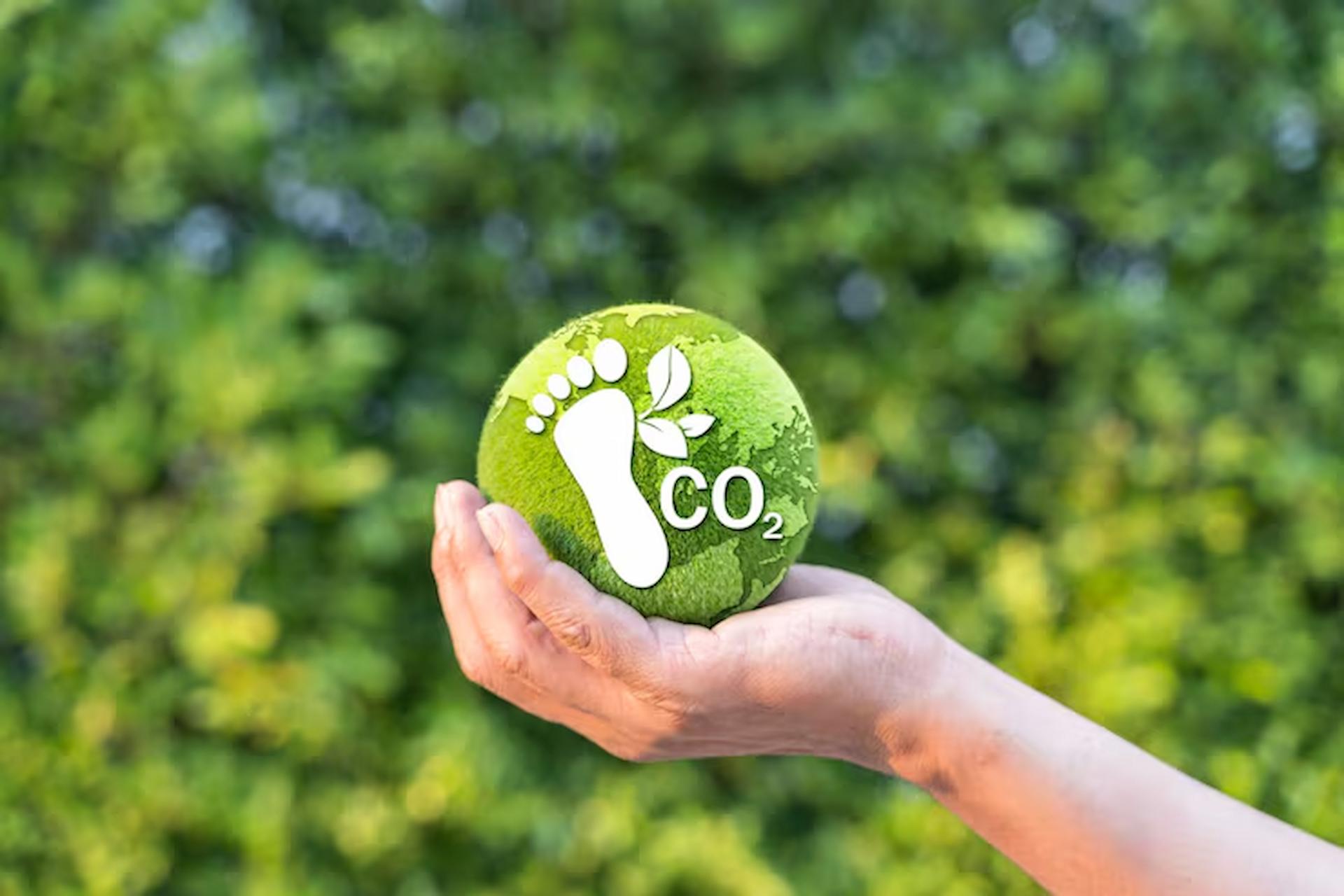
Living sustainably often sounds like a big commitment. In reality, it starts with small, everyday choices. Your carbon footprint—simply the total amount of greenhouse gases caused by your daily activities—is shaped by how you travel, what you eat, how you use energy, and what you buy.
The good news is that meaningful change does not require perfection. Consistent, practical actions can reduce your impact over time. This guide breaks down clear, realistic ways to lower your carbon footprint without disrupting your lifestyle.
What Contributes to Your Carbon Footprint?
Every day actions quietly add up. The main contributors include:
- Transportation: Cars, flights, and fuel use
- Energy consumption: Electricity, heating, and cooling
- Food choices: Especially meat and processed foods
- Consumption habits: Fast fashion, packaging, and waste
Understanding these areas helps you make smarter decisions without guesswork.
Smarter Transportation Choices
Transport is one of the largest sources of emissions. Even small changes here can make a noticeable difference.
Choose Low-Impact Travel Options
- Walk or cycle for short distances
- Use public transport instead of driving alone
- Carpool when possible
Drive More Efficiently
- Maintain proper tire pressure
- Avoid aggressive acceleration
- Combine errands into one trip
Limit Air Travel
Flights have a high carbon cost. When possible:
- Choose trains or buses for shorter routes
- Combine trips instead of frequent travel
These changes reduce fuel use without limiting mobility.
Reduce Energy Use at Home
Energy consumption at home is another major factor. The goal is not to cut comfort but to use energy more wisely.
Simple Energy-Saving Habits
- Turn off lights and appliances when not in use
- Use energy-efficient LED bulbs
- Unplug devices to avoid standby power
Improve Heating and Cooling Efficiency
- Set thermostats a few degrees lower in winter, higher in summer
- Seal windows and doors to prevent energy loss
- Use fans and natural ventilation where possible
Switch to Cleaner Energy Sources
If available, consider renewable energy options like solar power. Even partial adoption makes a difference over time.
Make Sustainable Food Choices
Food production—especially meat and dairy—has a significant environmental impact. Adjusting your diet can reduce emissions without sacrificing nutrition.
Practical Changes That Work
- Include more plant-based meals each week
- Reduce food waste by planning meals
- Buy local and seasonal produce
Even one or two plant-based days per week can noticeably lower your footprint.
Rethink What You Buy
Consumption habits play a major role in emissions. Every product has a lifecycle—from production to disposal.
Adopt a “Buy Less, Choose Better” Approach
- Invest in durable, high-quality items
- Avoid fast fashion and impulse purchases
- Choose products with minimal packaging
Reuse and Recycle
- Repair items instead of replacing them
- Donate or resell unused goods
- Recycle correctly based on local guidelines
These habits reduce waste and lower demand for resource-heavy production.
Everyday Actions That Add Up
Small actions may seem minor, but consistency creates impact. Here are simple habits that make a difference:
- Carry reusable bags, bottles, and containers
- Use digital documents instead of printing
- Support brands with sustainable practices
- Be mindful of water usage
These steps require little effort but build long-term change.
Why Small Changes Matter
It is easy to underestimate the power of individual action. However, collective behaviour shapes demand, influences industries, and drives policy changes.
When millions of people make small, consistent improvements:
- Energy demand decreases
- Waste production reduces
- Sustainable products become more accessible
The key is consistency, not perfection.
Building a Sustainable Lifestyle Over Time
Sustainability is not about doing everything at once. It is about making gradual improvements that fit your lifestyle.
Start with one or two changes:
- Adjust your commute
- Reduce food waste
- Cut unnecessary energy use
Once those become habits, build from there. This approach makes the process manageable and long-lasting.
FAQs
What is a carbon footprint in simple terms?
A carbon footprint is the total amount of greenhouse gases produced by your daily activities, including travel, energy use, food, and consumption habits.
What is the easiest way to reduce carbon emissions daily?
Using public transport, reducing energy waste at home, and cutting food waste are simple, effective ways to lower emissions without major lifestyle changes.
Does eating less meat really help the environment?
Yes. Reducing meat consumption lowers greenhouse gas emissions because livestock farming produces significant methane and requires large amounts of resources.
How can I reduce energy use without sacrificing comfort?
Use energy-efficient appliances, adjust thermostat settings slightly, and improve insulation. These changes maintain comfort while lowering energy consumption.
Do small actions really make a difference?
Yes. When repeated consistently and adopted by many people, small actions lead to significant reductions in emissions and drive broader environmental change.
In Conclusion
Reducing your carbon footprint is less about drastic change and more about everyday awareness. Thoughtful decisions—repeated consistently—create real impact over time. By making smarter choices in how you travel, eat, and consume, you contribute to a healthier environment without sacrificing convenience or comfort.