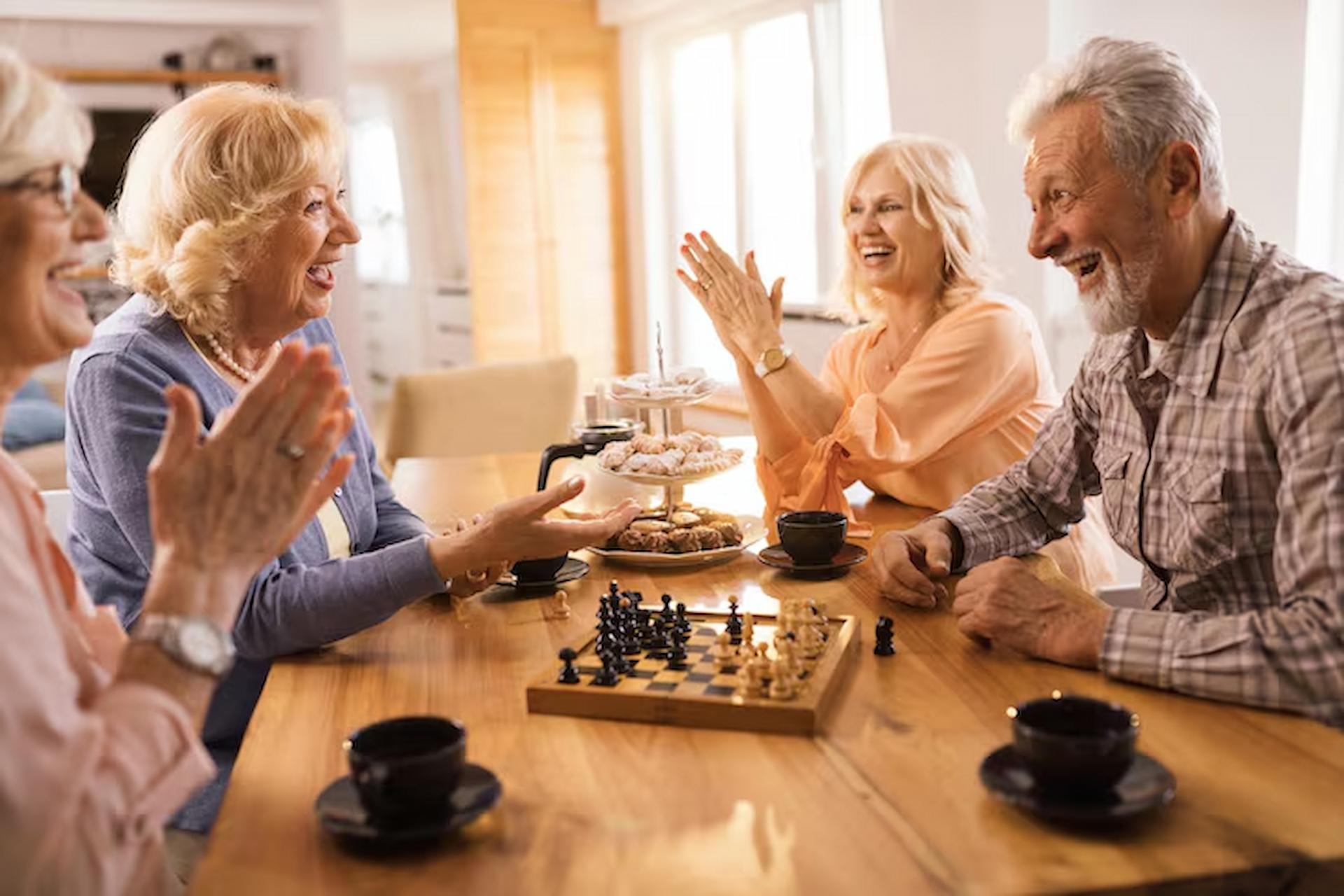
A sense of purpose does not fade with age—it simply evolves. For older adults, meaningful engagement is not just about staying busy. It is about feeling connected, valued, and mentally alive. When seniors remain actively involved in activities that align with their interests and abilities, their overall well-being improves in powerful and lasting ways.
This guide explores how to create meaningful engagement that supports emotional health, cognitive strength, and a deeper sense of fulfillment.
Why Meaningful Engagement Matters in Later Life
Engagement is closely tied to quality of life. Without regular stimulation and connection, many seniors face isolation, which can quietly affect both mental and physical health.
Staying engaged helps to:
- Maintain cognitive function and slow memory decline
- Reduce feelings of loneliness, anxiety, and depression
- Support physical mobility and strength
- Build a sense of identity and daily purpose
- Encourage social interaction and emotional resilience
Purpose gives structure to the day. Even small, consistent activities can create a strong sense of belonging and satisfaction.
Choosing the Right Activities: Personal, Not Generic
There is no universal activity plan that works for everyone. The most meaningful engagement comes from aligning activities with a person’s life experiences, personality, and current abilities.
Consider:
- Past hobbies or interests
- Physical health and mobility levels
- Cognitive abilities and attention span
- Social preferences (group vs. individual activities)
- Cultural or spiritual values
A retired teacher may find fulfillment in mentoring, while someone who loves gardening might reconnect with nature through small indoor plants. Personal relevance makes all the difference.
Types of Meaningful Activities for Seniors
1. Creative Expression
Creative activities offer emotional release and mental stimulation.
Examples include:
- Painting, drawing, or crafting
- Writing journals, poetry, or memoirs
- Music, singing, or learning an instrument
These activities allow seniors to express themselves freely and build a sense of accomplishment.
2. Physical Activities for All Ability Levels
Movement is essential, but it should be adapted to individual capacity.
Options include:
- Gentle yoga or chair exercises
- Walking groups or light stretching
- Tai chi for balance and coordination
Even small amounts of movement can improve mood, circulation, and independence.
3. Social Engagement and Community Involvement
Human connection is one of the strongest protectors against isolation.
Opportunities include:
- Book clubs or discussion groups
- Religious or cultural gatherings
- Community centres or hobby clubs
Regular interaction fosters companionship and emotional support.
4. Volunteering and Giving Back
Many seniors find deep purpose in helping others.
Ways to contribute:
- Mentoring younger generations
- Supporting local charities
- Sharing skills such as cooking or teaching
Giving back reinforces a sense of value and societal contribution.
5. Lifelong Learning and Mental Stimulation
Learning keeps the brain active and engaged.
Ideas include:
- Online courses or workshops
- Learning a new language
- Attending lectures or seminars
Curiosity does not diminish with age—it simply needs the right outlet.
6. Pet Therapy and Companionship
Interaction with animals can bring comfort, joy, and routine.
Benefits include:
- Reduced stress and anxiety
- Increased daily structure
- Emotional companionship
Even short, regular interactions with pets can improve mood significantly.
7. Intergenerational Activities
Connecting with younger generations creates a sense of continuity and relevance.
Examples:
- Spending time with grandchildren
- Participating in school or youth programmes
- Sharing life stories and experiences
These interactions often bring energy, laughter, and mutual learning.
Adapting Activities for Physical and Cognitive Changes
As needs evolve, activities should adapt—not disappear.
Practical adjustments:
- Break tasks into smaller, manageable steps
- Use supportive tools (e.g., larger print books, adaptive equipment)
- Focus on enjoyment rather than perfection
- Allow flexible pacing and rest periods
For those with memory challenges, repetition and familiar routines can provide comfort and confidence.
How Families Can Support Meaningful Engagement
Family involvement plays a crucial role in maintaining activity and connection.
Support strategies:
- Encourage participation without pressure
- Join activities together when possible
- Help explore new interests gently
- Create a safe and stimulating home environment
- Celebrate small achievements
Listening is just as important as planning. Understanding what brings joy helps guide meaningful choices.
The Role of Assisted Living and Care Communities
Senior living communities have a responsibility to go beyond basic care and prioritise purposeful engagement.
Effective programmes should:
- Offer a variety of personalised activities
- Respect individual preferences and backgrounds
- Promote independence and choice
- Encourage social interaction in a comfortable setting
A well-designed activity programme is not just entertainment—it is essential care.
Exploring New Interests at Any Age
It is never too late to try something new. Many seniors discover passions later in life that they never had time for before.
Simple ways to start:
- Experiment with different hobbies
- Join beginner-friendly classes
- Stay open to new experiences
Growth does not stop with age. It simply takes a different form.
FAQs
What are the best activities to reduce loneliness in seniors?
Activities that involve social interaction are most effective in reducing loneliness. Group activities such as clubs, volunteering, and community events help seniors build connections and feel included. Even regular phone calls, shared hobbies, or small gatherings can significantly improve emotional well-being and create a sense of belonging.
How can families encourage seniors to stay active?
Families can encourage activity by showing interest, offering gentle support, and participating together. Instead of forcing change, they should introduce options aligned with seniors’ interests. Creating a routine, celebrating progress, and maintaining open communication help seniors feel supported rather than pressured.
Do mental activities really help prevent cognitive decline?
Mental stimulation can help maintain brain function and slow cognitive decline. Activities like reading, puzzles, learning new skills, or engaging in discussions keep the brain active. While they may not prevent all decline, they contribute to better memory, focus, and overall mental sharpness.
What if a senior has limited mobility?
Limited mobility does not mean limited engagement. Activities can be adapted to suit physical ability. Chair exercises, crafts, reading, music, or social conversations can still provide meaningful stimulation. The key is to focus on what is possible rather than what is restricted.
Conclusion
Meaningful engagement is not a luxury in later life—it is a core part of living well. When seniors stay connected to activities that reflect their interests, abilities, and values, they maintain a stronger sense of identity, independence, and emotional balance. Purpose does not disappear with age; it simply takes new forms.
The focus should always be on what brings genuine satisfaction, not just what fills time. Whether through creativity, movement, learning, or connection, even small, consistent activities can have a lasting impact on overall well-being.
With thoughtful support from families, communities, and care providers, seniors can continue to grow, contribute, and experience fulfilment. A life with purpose remains possible at every stage—it just requires the right opportunities and encouragement.