Building a wardrobe that lasts is less about how much you buy and more about how well you choose. Quality clothing does not just look better—it feels better, lasts longer, and often saves money over time. When you understand what goes into a well-made garment, you start making decisions with confidence rather than impulse.
This guide breaks down exactly how to recognize quality, from fabrics and construction to timeless design. It also shows why investing wisely can transform both your style and your spending habits.
Why Quality Matters More Than Quantity
Fast fashion encourages frequent buying, but often at the cost of durability and comfort. Cheaper garments may look appealing at first, but they tend to lose shape, fade, or wear out quickly.
Quality pieces, on the other hand, are designed to last. They maintain their structure, color, and comfort over time. This means fewer replacements, less waste, and a wardrobe that feels consistently reliable.
Understanding Fabrics: What Really Makes a Difference
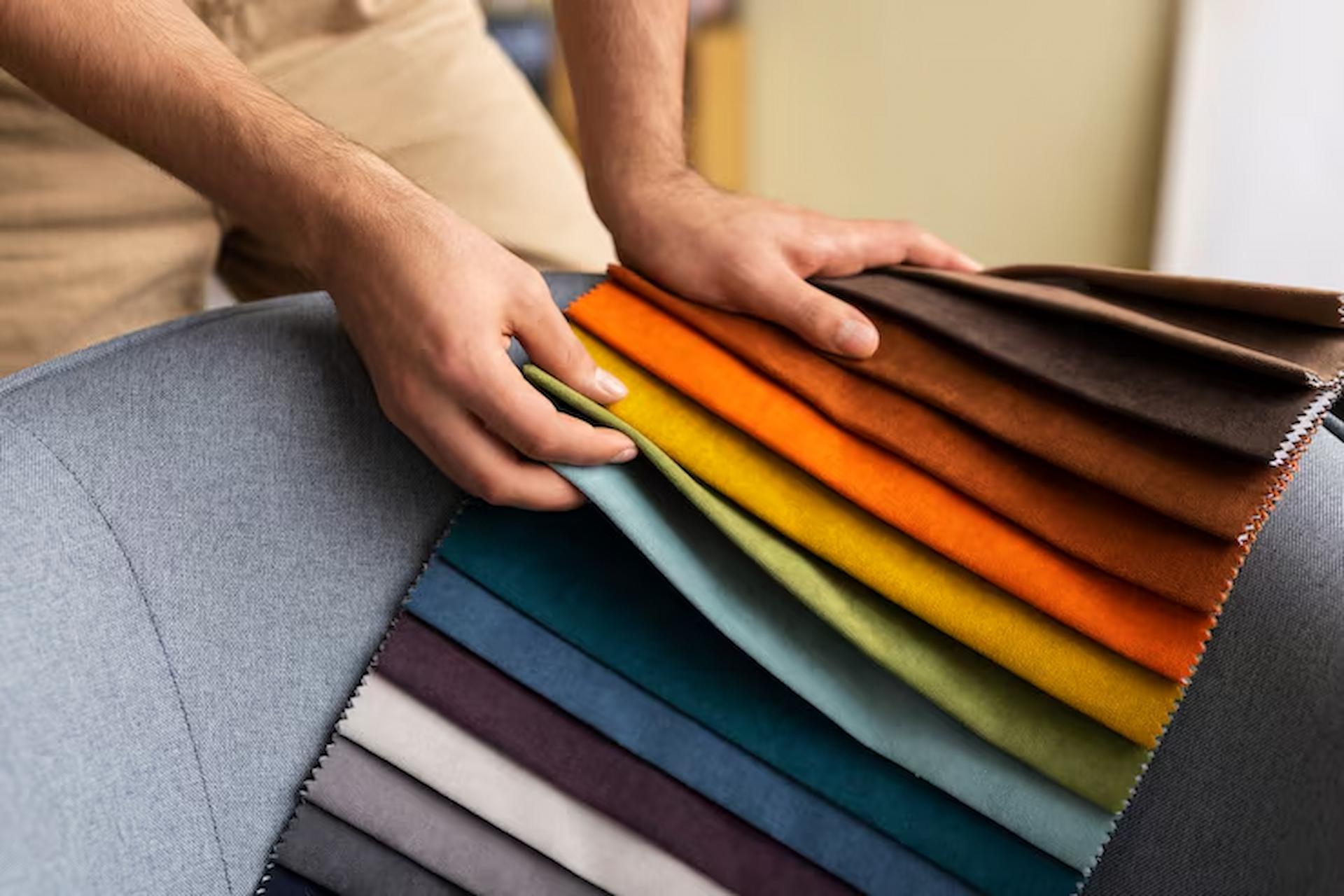
Fabric is the foundation of any garment. It affects how clothing feels, breathes, and ages.
Natural Fabrics
Natural fibers are often preferred for their comfort and longevity:
- Cotton: Breathable, soft, and versatile. High-quality cotton feels smooth and holds its shape well.
- Wool: Durable, warm, and naturally resistant to wrinkles. Ideal for colder seasons.
- Linen: Lightweight and breathable. It wrinkles easily but offers excellent durability.
- Silk: Smooth and luxurious, with a natural sheen. Requires gentle care.
These fabrics tend to age gracefully when properly maintained.
Synthetic Fabrics
Synthetic materials have their place, especially when blended thoughtfully:
- Polyester: Strong and wrinkle-resistant, though less breathable.
- Nylon: Lightweight and durable, often used in activewear.
- Elastane (Spandex): Adds stretch and flexibility.
Blends can enhance performance, but a high percentage of synthetics in everyday clothing may reduce comfort and longevity.
How to Evaluate Fabric Quality
- Feel the texture—smooth and dense usually indicates better quality
- Hold it up to light—very thin fabric may wear out quickly
- Check how it drapes—good fabric falls naturally, not stiffly
Construction Details That Reveal True Quality
Even the best fabric cannot compensate for poor construction. This is where careful inspection matters.
Key Signs of Well-Made Clothing
- Seams: Straight, tight, and evenly spaced stitches
- Hems: Cleanly finished and secure, not loose or uneven
- Lining: Adds structure and comfort, especially in jackets and dresses
- Buttons and Zips: Firmly attached, easy to use, and durable
Turn the garment inside out if possible. Quality is often more visible there than on the surface.
What to Avoid
- Loose threads or uneven stitching
- Thin, unfinished hems
- Cheap plastic buttons that feel fragile
These small details often determine how long a piece will last.
Timeless Design: What Makes a Piece Last Beyond Trends
Trends come and go, but certain designs remain consistently relevant. Investing in these pieces ensures your wardrobe stays functional and stylish year after year.
Characteristics of Timeless Clothing
- Clean, simple silhouettes
- Neutral or versatile colours
- Minimal branding or excessive detailing
- Classic cuts that flatter different body types
Examples include tailored blazers, well-fitted denim, crisp white shirts, and structured coats. These items adapt easily to changing styles without feeling outdated.
How to Identify Investment Pieces Worth the Cost
Not every item needs to be expensive. The key is knowing where quality matters most.
Focus Your Investment On:
- Outerwear (coats, jackets)
- Footwear (shoes, boots)
- Everyday staples (jeans, trousers)
- Bags and accessories used frequently
These items experience regular wear, so durability is essential.
Practical Checklist Before Buying
- Does it fit well without major alterations?
- Can it be styled in multiple ways?
- Does it feel comfortable for long wear?
- Will it still look good in a few years?
If the answer is yes to most of these, it is likely a smart investment.
Caring for Quality Clothing to Extend Its Life
Even the best garments need proper care. Maintenance plays a major role in preserving quality.
Simple Care Habits
- Wash less frequently to reduce wear
- Use gentle cycles and mild detergents
- Air dry instead of using high heat
- Store items properly to maintain shape
For delicate fabrics like wool or silk, follow specific care instructions. A little attention goes a long way in keeping clothes looking new.
Balancing Personal Style with Smart Spending
Investing in quality does not mean abandoning personal style. It means refining it. When your wardrobe is built on well-made, versatile pieces, it becomes easier to express yourself without overconsumption.
You buy less, choose better, and wear more.
FAQs
What is the easiest way to identify high-quality clothing?
High-quality clothing can be identified by checking fabric feel, stitching, and finishing details. Smooth, dense fabrics and neat seams usually indicate durability. Turning a garment inside out often reveals construction quality. Small details like strong buttons and clean hems are reliable signs of well-made clothing.
Are natural fabrics always better than synthetic ones?
Natural fabrics are often more breathable and comfortable, making them ideal for daily wear. However, synthetic blends can improve durability and flexibility. The best choice depends on the garment’s purpose. A balanced blend often offers both comfort and performance when used thoughtfully.
How many investment pieces should a wardrobe have?
There is no fixed number, but a practical approach is to invest in frequently worn essentials. A few high-quality staples like a coat, shoes, and versatile basics can form a strong foundation. The goal is to prioritise quality where it matters most rather than upgrading everything at once.
Does expensive clothing always mean better quality?
A higher price does not guarantee better quality, but it often reflects better materials and construction. It is important to evaluate each piece individually. Checking fabric composition, stitching, and overall finish helps determine whether the price matches the quality offered.
How can I make my clothes last longer?
Clothes last longer with proper care. Washing less often, using gentle cycles, and avoiding high heat can prevent damage. Proper storage also helps maintain shape and structure. Following care labels and handling delicate fabrics carefully can significantly extend garment lifespan.
Final Thought
A thoughtful wardrobe is built over time, not in a single shopping trip. By understanding fabrics, recognizing quality construction, and focusing on timeless design, you make choices that last. The result is not just better clothing, but a more intentional relationship with what you wear—one that balances style, comfort, and long-term value.