Fashion is more than what you wear—it is how you show up in the world. The clothes you choose each day quietly shape how you feel, how you carry yourself, and how others perceive you. When your outfit reflects who you truly are, confidence follows naturally. It is not about chasing trends or perfection. It is about feeling aligned, comfortable, and authentic in your own skin.
How Clothing Shapes Self-Perception
What you wear has a direct impact on your mindset. A well-fitted outfit that feels right can shift your posture, energy, and even your mood. This is not just about appearance—it is about internal alignment. When clothing feels restrictive or disconnected from your personality, it can create subtle discomfort. Over time, that discomfort affects how you present yourself.
On the other hand, wearing something that resonates with your identity can create a sense of ease. You think less about how you look and more about what you are doing. That is where confidence begins—when your clothing supports you instead of distracting you.
The Psychology of Color in Fashion
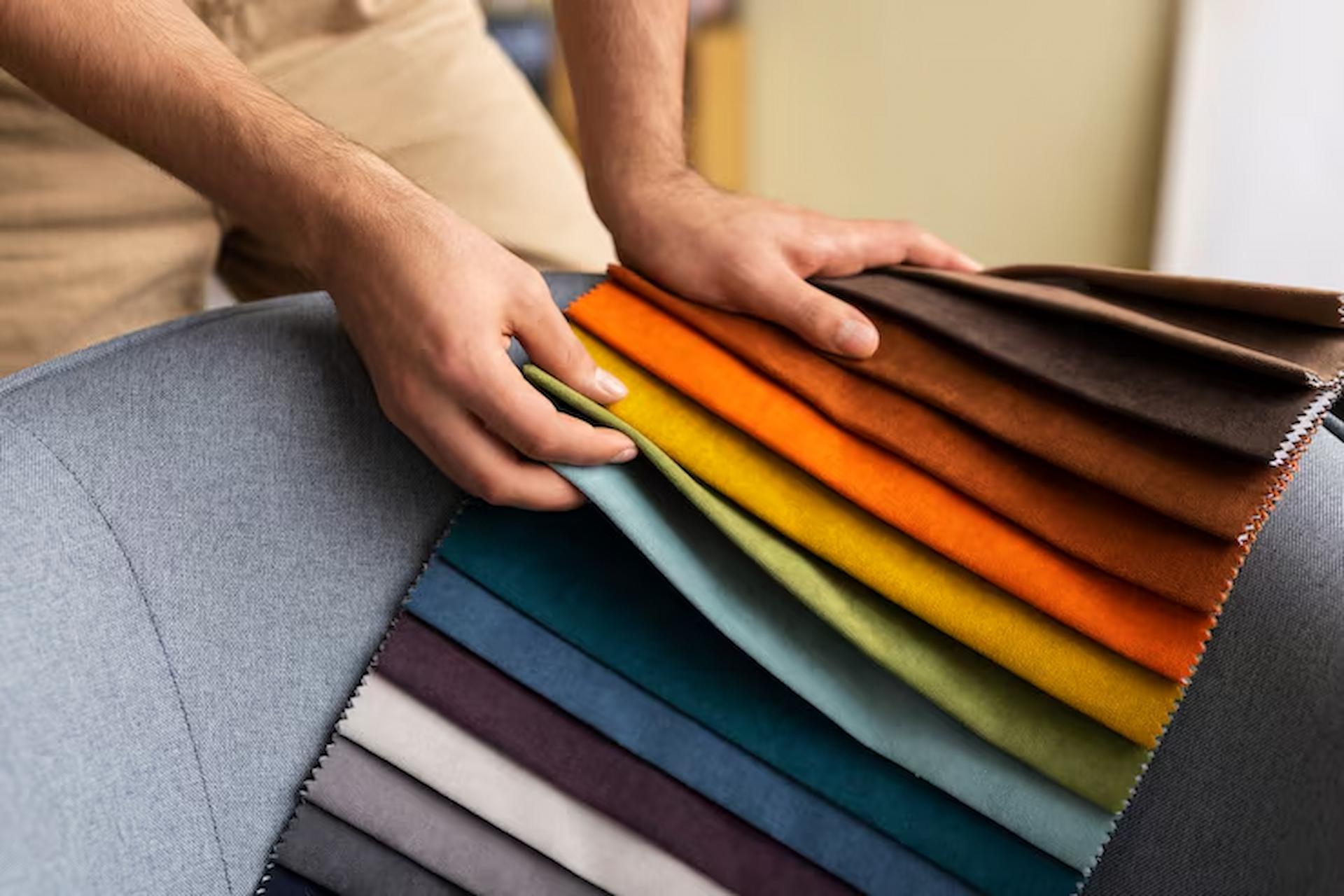
Color plays a powerful role in emotional expression. Different shades can influence both your mood and how others interpret your presence. Bright tones like yellow or orange often bring energy and warmth, while blues and greens create a sense of calm and trust. Black can feel grounding and sophisticated, while white often signals clarity and simplicity.
The key is not to follow rules but to notice how colors make you feel. If a particular shade makes you feel more alive or at ease, it is worth incorporating into your wardrobe. Over time, you begin to build a color palette that reflects your personality and emotional comfort.
Dressing for Yourself, Not Expectations
One of the most important shifts in personal style is moving away from external validation. Many people dress to meet expectations—whether social, professional, or cultural. While context matters, constantly dressing for others can disconnect you from your own preferences.
Dressing for yourself means asking simple questions: Do I feel comfortable? Does this reflect who I am? Would I wear this even if no one else saw it? When the answer is yes, you are building a wardrobe rooted in authenticity rather than approval.
This approach creates lasting confidence because it is self-sustained. You are no longer relying on trends or opinions to define your choices.
Finding Your Personal Style
Personal style is not something you find overnight. It evolves through observation, experimentation, and self-awareness. It includes understanding what silhouettes feel comfortable, what fabrics suit your lifestyle, and what details make you feel like yourself.
Confidence grows when you stop forcing yourself into styles that do not fit your body or personality. Instead, focus on pieces that support your movement and reflect your identity. This might mean choosing relaxed fits over structured ones, or bold prints over neutral basics. There is no single formula—only what works for you.
Overcoming Fashion Insecurity
Many people struggle with self-doubt when it comes to clothing. This often stems from comparison or the idea that style must be perfect. In reality, style is deeply personal and imperfect by nature.
Letting go of perfection allows room for growth. Some outfits will feel right, others will not—and that is part of the process. Confidence is built through repetition, not perfection. The more you wear what feels true to you, the less you question your choices.
It is also helpful to remember that comfort is not a compromise. When you feel physically at ease, it naturally reflects in your body language and presence.
Mindful Fashion and Personal Wellbeing
Clothing choices are not only about self-expression but also about impact. Choosing quality over quantity, rewearing pieces, and supporting responsible brands can create a deeper sense of connection with your wardrobe.
Mindful fashion encourages intentional decisions. Instead of buying for temporary satisfaction, you begin to select items that align with your values and lifestyle. This reduces clutter, simplifies decision-making, and strengthens your sense of identity.
When your wardrobe feels intentional, it becomes easier to get dressed with confidence each day.
Evolving Style Across Life Stages
Your style will change as your life changes. What felt right a few years ago may no longer reflect who you are today. This is not a loss—it is growth.
Allow your wardrobe to evolve with you. Try new combinations, experiment with different aesthetics, and stay open to change. Confidence is not about staying the same; it is about staying true to yourself as you grow.
Taking small risks with your style can lead to new discoveries. Over time, these choices help you build a wardrobe that feels both dynamic and authentic.
FAQs
How does clothing affect confidence?
Clothing directly influences confidence by shaping how you feel about yourself. When outfits align with your comfort and identity, they create ease and self-assurance. Ill-fitting or uncomfortable clothing can cause distraction and self-consciousness, while intentional choices support a more confident presence in everyday situations.
What does it mean to dress authentically?
Dressing authentically means choosing clothing based on personal preference rather than external expectations. It involves wearing pieces that reflect your personality, values, and comfort. This approach creates a stronger sense of confidence because your style becomes a genuine expression of who you are.
How can I find my personal style?
Finding your personal style involves experimenting with different looks and paying attention to what feels comfortable and natural. Over time, patterns emerge in the colors, fits, and fabrics you prefer. Personal style develops gradually through experience rather than following strict rules or trends.
Can colors really influence mood and perception?
Yes, colors can influence both mood and perception. Certain shades can evoke feelings of calmness, energy, or confidence. For example, blue tones often feel calming, while brighter colors can boost energy. Choosing colors that resonate with your emotions can enhance how you feel throughout the day.
Conclusion
Confidence in fashion is not about having the perfect outfit. It is about feeling comfortable, aligned, and true to yourself. When your clothing reflects your identity, it becomes a tool for self-expression rather than a source of pressure.
By understanding what makes you feel good—through color, fit, and personal preference—you create a style that supports your confidence every day. Fashion then becomes less about appearance and more about presence.