Start With Smart Planning
Mini split systems have become a preferred choice for homeowners seeking efficient heating and cooling without installing traditional ductwork. Their flexibility makes them ideal for home additions, older houses, finished basements, and rooms with uneven temperatures. A successful installation begins long before equipment arrives. Careful planning, proper sizing, and thoughtful placement create a system that delivers dependable comfort while keeping future operating costs under control.
Homeowners considering mini split installation Simsbury often focus on equipment brands or upfront pricing. Although those factors deserve attention, installation quality has a greater influence on long-term performance. A correctly installed system operates quietly, maintains stable temperatures, and uses energy efficiently. Taking time to evaluate the home’s layout and comfort goals before installation helps prevent performance issues that can be difficult to correct later.
Every Room Has Different Needs
Unlike central HVAC systems that condition the entire house through one network, mini-splits allow individual zones to operate independently. This flexibility means room usage should influence system design. Bedrooms, home offices, sunrooms, and finished garages often require different temperature settings throughout the day. Matching equipment capacity to each space produces more consistent comfort while reducing unnecessary energy consumption.
Placement Affects Daily Comfort
Indoor units should distribute air evenly without directing strong airflow toward beds, seating areas, or workspaces. Outdoor condensers also require thoughtful placement to ensure unrestricted airflow and convenient service access. For example, locating the outdoor unit beneath heavy roof runoff may increase maintenance needs during winter, while positioning it near landscaping that grows quickly can gradually reduce operating efficiency.
Installation Quality Determines Performance
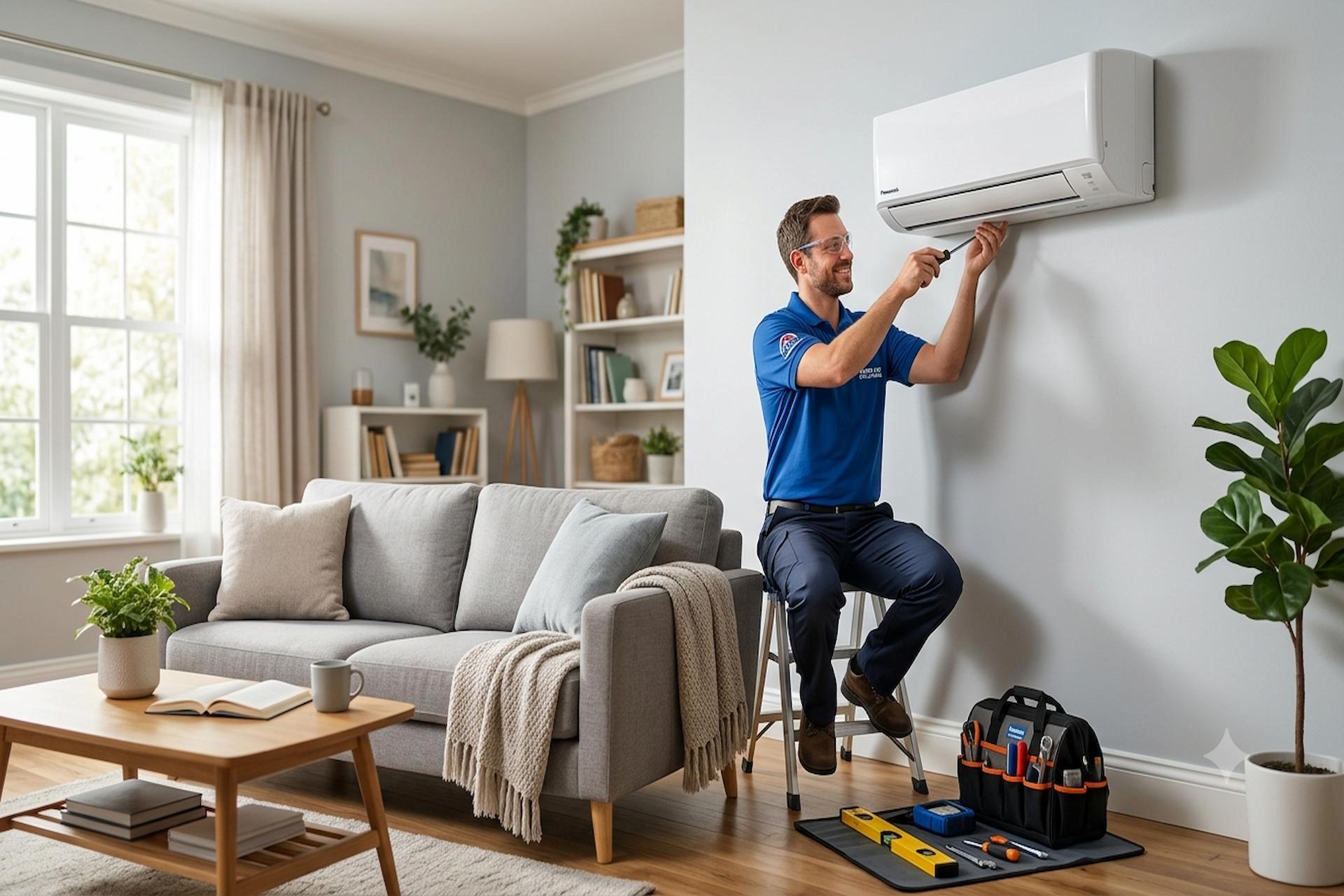
Professional mini split installation Simsbury includes much more than mounting indoor and outdoor units. Refrigerant line routing, electrical connections, condensate drainage, vacuum testing, and system charging all require technical precision. Small installation errors may not appear immediately, yet they often reduce efficiency, shorten compressor life, and create recurring service calls. Investing in experienced installation protects both equipment performance and manufacturer warranty coverage.
Preparation Before Installation
Homeowners can simplify installation by planning and discussing important details before work begins.
- Identify rooms requiring individual temperature control.
- Remove furniture from planned installation areas.
- Confirm electrical capacity meets equipment requirements.
- Keep outdoor installation locations accessible.
- Discuss condensate drain routing with the installer.
- Review thermostat and remote-control features.
- Ask about future maintenance requirements.
- Understand warranty coverage and service recommendations.
Questions Homeowners Frequently Ask
How Many Indoor Units Are Needed?
The answer depends on room size, layout, insulation quality, ceiling height, and daily occupancy. Installing too few indoor units may create uneven temperatures, while unnecessary equipment increases installation costs without improving comfort. Professional load calculations evaluate each area individually, allowing homeowners to achieve balanced heating and cooling rather than relying on square-foot estimates alone.
Another common question concerns installation time. Most residential mini split installations can be completed within one day, although larger multi-zone systems may require additional time. Project duration depends on electrical work, refrigerant line routing, wall construction, and outdoor unit placement. Planning these details before installation helps reduce delays while allowing technicians to complete the work efficiently without compromising quality.
Think Beyond Installation Day
Successful installations consider future maintenance as carefully as initial performance. Indoor units should remain accessible for filter cleaning and inspections, while outdoor equipment needs adequate clearance for servicing. Homeowners planning landscaping, decks, or fences should account for future maintenance access. These practical decisions often receive little attention during installation but significantly influence long-term ownership experience and repair convenience.
Everyday Operation Matters
Once installed, mini split systems perform best with consistent temperature settings rather than frequent manual adjustments. Many homeowners mistakenly change settings repeatedly throughout the day, expecting faster heating or cooling. Inverter-driven technology automatically adjusts output to maintain comfort efficiently. Allowing the system to regulate temperatures naturally reduces mechanical stress while improving overall energy performance across changing seasonal conditions.
Protect Your Comfort
A hassle-free mini split installation depends on thoughtful planning, professional workmanship, accurate equipment sizing, and realistic expectations about long-term operation. Homeowners who consider room usage, installation quality, future maintenance, and daily operating habits create an environment where comfort and efficiency work together. By partnering with experienced professionals and preparing the home before installation begins, you gain reliable heating and cooling, lower operating costs, and dependable performance that continues delivering value for many years after the system is installed.