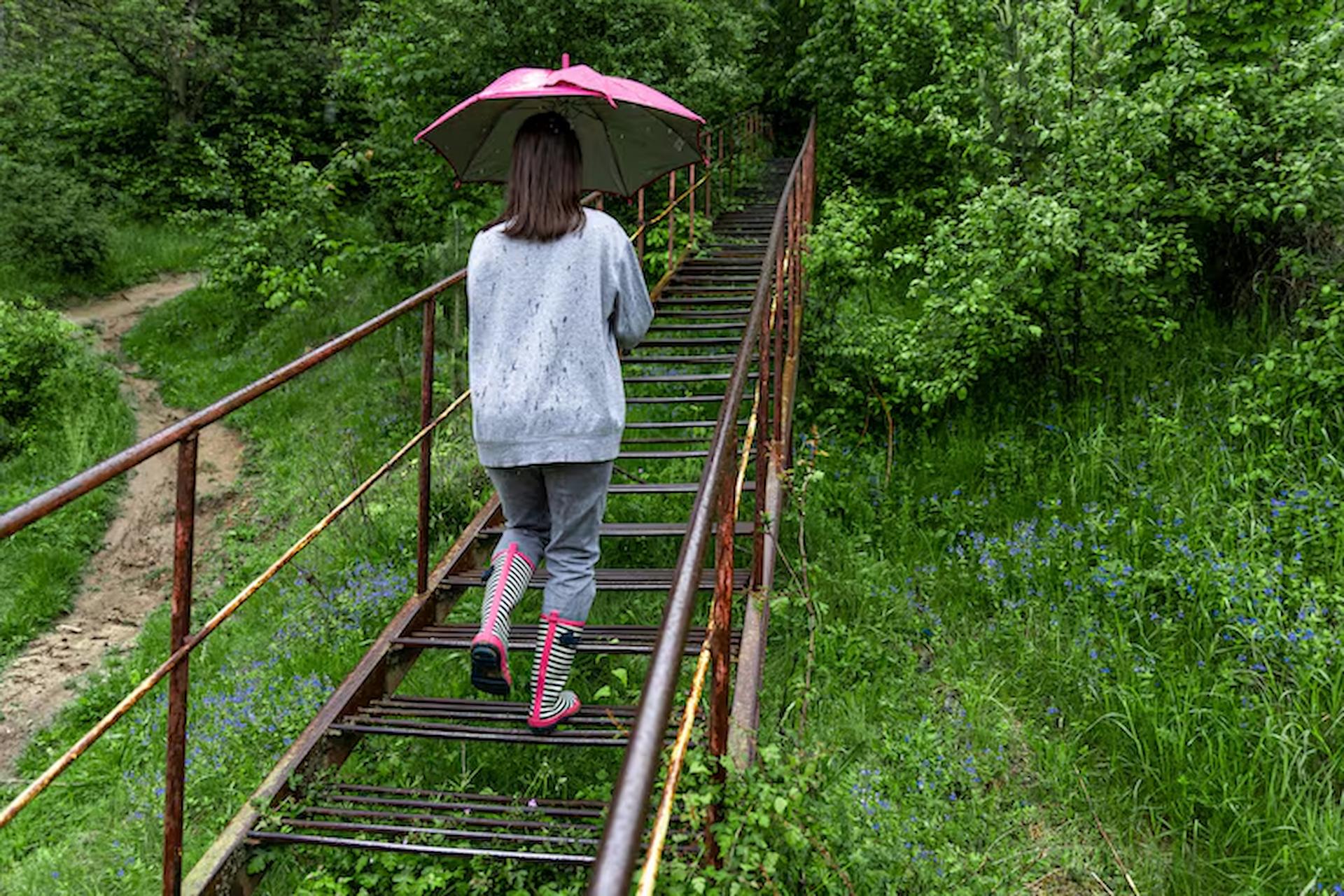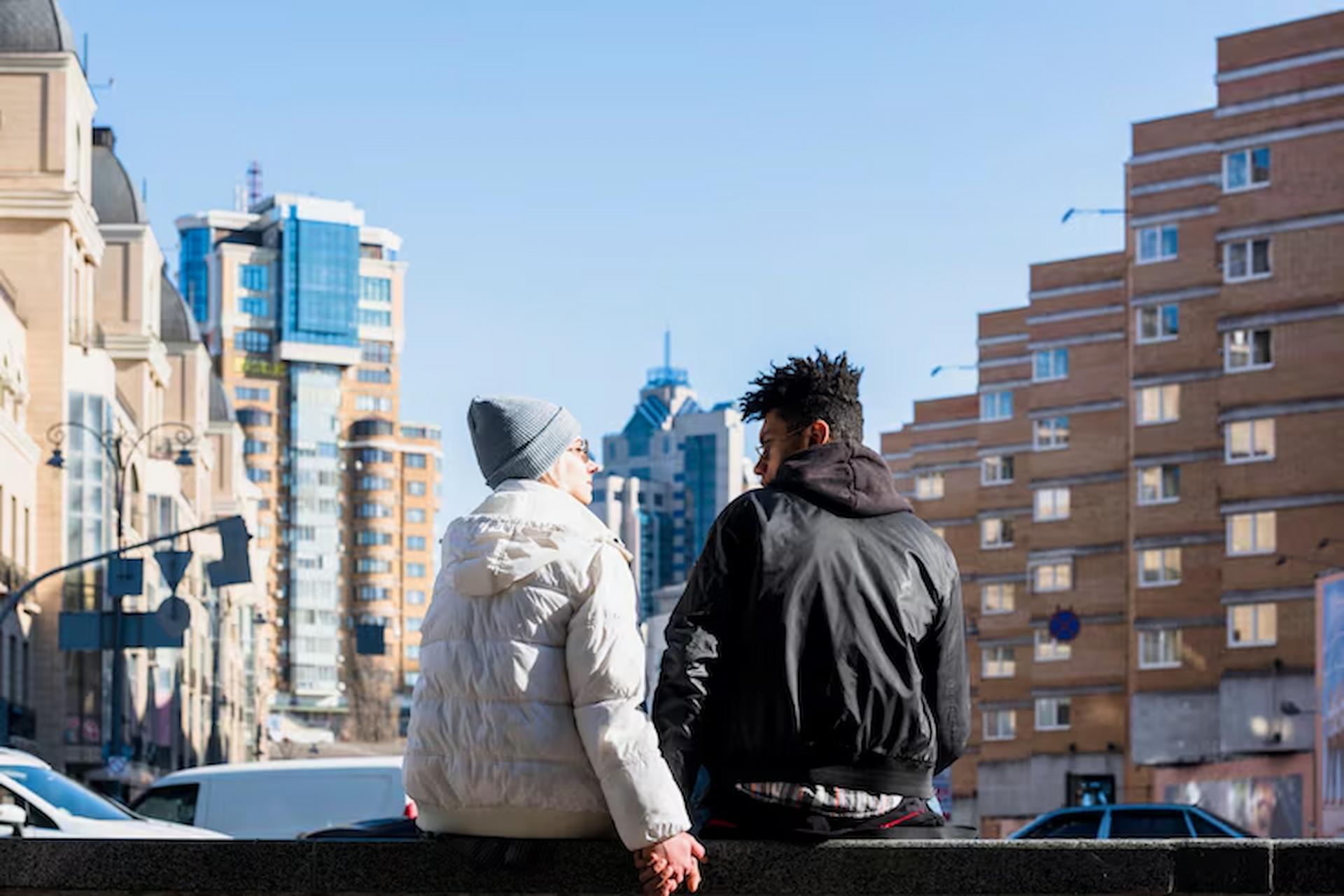
Cities have a reputation for constant motion. Streets hum, crowds gather, and schedules fill quickly. Yet beneath that energy lies a quieter layer—one that rewards those who slow down just enough to notice it. The most memorable city experiences are rarely the loudest or the busiest. They are often found in still corners, tucked between landmarks and routines.
Urban escapes are not about leaving the city behind. They are about seeing it differently. With the right approach, even the most fast-paced destination can feel balanced, personal, and deeply enriching.
The Hidden Calm Within Urban Energy
Every major city carries two rhythms. One is visible and fast, driven by traffic, business districts, and packed attractions. The other is subtle and steady. It lives in early-morning parks, quiet residential streets, and overlooked neighborhood cafés.
When you shift your focus toward these quieter spaces, the city begins to feel more human. You notice everyday life instead of just tourist highlights. A morning walk through a local park can reveal more about a city’s character than a full day of rushing between landmarks.
The key is not to escape the energy entirely, but to move alongside it without being overwhelmed by it.
Parks and Green Spaces That Reset the Mind
Urban green spaces are often the simplest way to pause without leaving the city. They offer a natural break from noise and movement, allowing both body and mind to slow down.
Large parks are obvious choices, but smaller gardens and riverside paths often feel more personal. These places tend to be less crowded and more connected to local life. Sitting on a bench, watching daily routines unfold, or simply taking a slow walk can reset your energy more effectively than trying to see everything at once.
Spending even an hour in a calm green space can change how you experience the rest of the city. You return to busy areas with more focus and less fatigue.
Quiet Cafés and Thoughtful Spaces
Not all urban escapes are outdoors. Some of the most peaceful moments happen inside small, thoughtfully designed cafés or cultural spaces.
Look beyond busy commercial streets and explore quieter neighbourhoods. Independent cafés often reflect the personality of the area. They are places where locals spend time, not just pass through. The pace is slower, conversations feel more genuine, and the atmosphere invites you to stay.
These spaces are ideal for recharging between activities. They also offer a chance to observe everyday city life without pressure or noise.
Art Districts and Cultural Corners
Cities express their identity through art, and not all of it is found in large museums. Smaller galleries, creative districts, and street art spaces often provide a more relaxed and intimate experience.
Walking through an art-focused neighbourhood allows you to engage with culture at your own pace. There is no rush, no strict itinerary, and no expectation to move quickly. You can pause, reflect, and take in details that might otherwise go unnoticed.
These areas often blend creativity with community, making them some of the most authentic parts of any city.
Heritage Neighbourhoods and Slower Streets
Historic districts naturally encourage a slower pace. Narrow streets, older architecture, and local businesses create an environment where rushing feels out of place.
Exploring these neighbourhoods offers a sense of continuity. You see how the past still shapes the present. There is a quiet richness in observing traditional homes, long-standing shops, and daily routines that have remained consistent over time.
Walking without a fixed plan in these areas often leads to unexpected discoveries. It also creates a more personal connection to the city.
Balancing Exploration With Downtime
One of the most common mistakes in city travel is trying to do too much in too little time. A packed itinerary may seem efficient, but it often leads to exhaustion and a blurred experience.
A more balanced approach works better. Plan a few key activities each day, then leave space for unstructured time. This allows you to respond to how you feel in the moment rather than forcing constant movement.
Downtime is not wasted time. It is what makes the rest of your experiences more meaningful and memorable.
Navigating Crowds Without Losing the Experience
Busy cities inevitably come with crowds, but how you approach them makes a significant difference.
Timing plays an important role. Early mornings and late afternoons are often quieter, especially around popular attractions. Visiting well-known spots during these times allows you to experience them without the usual pressure.
Exploring alternative routes and lesser-known areas also helps. Many cities have equally beautiful spaces that receive far fewer visitors. Choosing these options creates a calmer and more enjoyable experience.
The goal is not to avoid people entirely, but to engage with the city in a way that feels comfortable and manageable.
Creating a Personalised Urban Itinerary
A thoughtful itinerary should reflect your pace, not just the city’s highlights. Start by identifying what matters most to you. Some travellers prioritise culture, others prefer food, design, or simply atmosphere.
Build your day around a mix of experiences. Pair a popular attraction with a quiet break. Follow a busy market visit with a slow walk through a peaceful area. This balance keeps your energy steady and your interest high.
Leave room for flexibility. Some of the best moments in a city come from unexpected turns, not planned stops.
Discovering the Authentic Side of Cities
Urban escapes reveal something deeper than surface-level attractions. They show how people actually live, interact, and find comfort within busy environments.
Authenticity is often found in small details. A local bakery opening early in the morning, a quiet courtyard filled with conversation, or a neighbourhood street that feels untouched by tourism. These moments are subtle, but they stay with you.
By focusing on these experiences, you move beyond sightseeing and into understanding. The city becomes more than a destination. It becomes a place you have truly experienced.
FAQs
How can I find peaceful spots in a busy city?
Start by exploring beyond main tourist areas. Residential neighbourhoods, smaller parks, and local cafés often offer quieter environments. Early mornings are also ideal for discovering calm spaces before crowds build up.
Are urban escapes suitable for short trips?
Yes, even short trips can include moments of calm. Planning fewer activities and allowing time for relaxed exploration helps create a more balanced experience without feeling rushed.
What is the best time to explore cities with fewer crowds?
Early mornings and late afternoons are usually less crowded. These times provide a more relaxed atmosphere and allow you to experience popular spots with greater ease.
How do I balance sightseeing and relaxation?
Focus on quality over quantity. Plan a few key activities each day and leave space for rest or spontaneous exploration. This approach prevents fatigue and keeps the experience enjoyable.
Conclusion
Finding calm within a busy city is less about location and more about perspective. When you allow space for slower moments, quieter places, and personal discovery, the experience becomes richer and more balanced.
Urban escapes are not separate from the city. They are part of it. By seeking them out, you gain a deeper appreciation for both the energy and the stillness that define urban life. The result is a travel experience that feels less rushed, more meaningful, and far more memorable.